

Young athletes have unique nutrition needs because they are not only training, they are also growing, developing bone mass, building muscle, managing school demands, and recovering from sport. For this reason, sports nutrition for children and teenagers should never focus only on performance. The goal is to support health, growth, development, recovery, and athletic performance at the same time.
One of the most common issues we see in young athletes is not necessarily poor food quality. It is simply not eating enough, eating too infrequently, or eating at the wrong times for their training schedule. A teen may eat breakfast at 7:00 AM, have a small school lunch at noon if not skipping it, and then go straight into a two-hour practice at 4:30 PMwithout fueling. By the time practice begins, that athlete may already be underfueled.
Understanding a few basic principles can make a major difference.
Energy comes first
Growing athletes need enough total energy to support both normal development and exercise. When energy intake does not consistently match the demands of growth and training, athletes may experience:
- Persistent fatigue
- Poor recovery
- Declining performance
- Frequent soreness
- Difficulty concentrating
- Increased injury risk
- Changes in mood
- Disrupted menstrual function in female athletes
- Impaired growth or development in more severe cases
This is why youth sports nutrition should not revolve around unnecessary calorie restriction or trying to achieve a certain body type.
The first question should be: Is this athlete eating enough to support everything their body is being asked to do?

Carbohydrates are a young athlete’s main fuel
Carbohydrates are the body’s preferred fuel source for moderate -and high- intensity exercise and they fuel long training sessions as well. Carbohydrates help provide the energy needed for repeated sprints, sustained effort, skill execution, and concentration as well as for longer endurance sessions.
Good carbohydrate sources include: Rice, Pasta, Potatoes, Bread, Tortillas, Oats, Cereal, Fruit, Beans, Dairy products. Carbohydrates needs for young athletes are quite high, and restricting them will only affect performance and recovery aside from growth.
Protein supports growth and recovery
Protein provides the amino acids needed for:
- Muscle repair
- Growth
- Recovery
- Immune function
- Enzyme and hormone production
Rather than relying on one very large protein meal at dinner, young athletes generally benefit from including protein throughout the day. Examples include: Eggs, Greek yogurt, Milk, Cheese, Chicken, Turkey, Fish, Lean meat, Beans, Lentils, Tofu, Soy foods. A simple strategy is to include a protein source at each meal and most snacks.
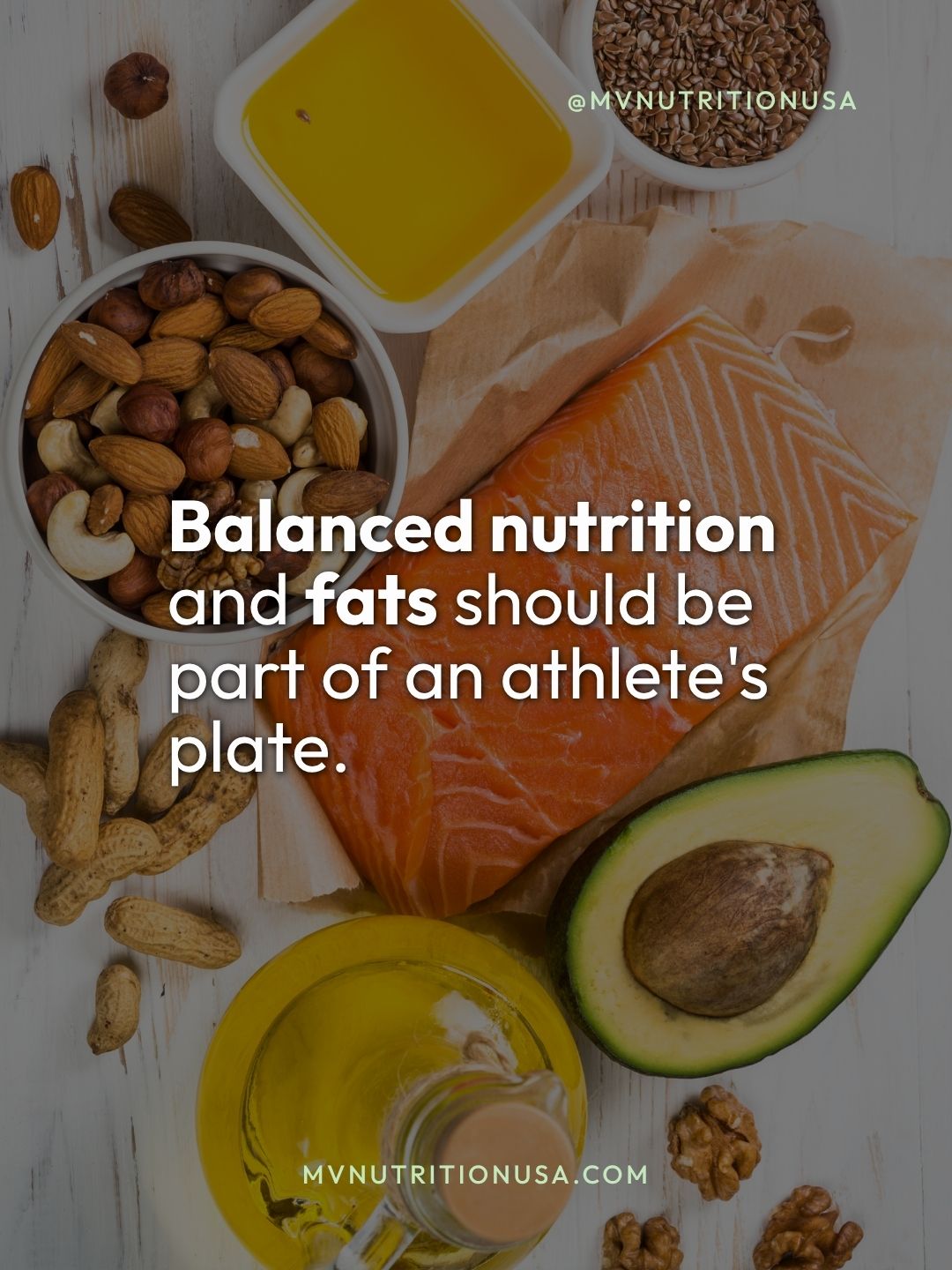
Fat is also essential
Fat is key for long lasting energy and hormonal support. It also helps boost caloric intake in athletes with high energy demands.
Healthy sources include:
- Olive oil
- Avocado
- Nuts
- Nut butters
- Seeds
- Fatty fish
Young athletes need balanced nutrition and fats should be part of an athlete’s plate. Now, timing is important to promote gastrointestinal tolerance.
Key micronutrients for young athletes
Several nutrients deserve particular attention during adolescence.
Iron
Iron is necessary for transporting oxygen in the blood. Low iron status may contribute to fatigue, reduced endurance, and impaired performance. Adolescent girls, endurance athletes, vegetarian athletes, and athletes with low energy intake may be at greater risk of inadequate iron intake.
Calcium and Vitamin D
Adolescence is a critical period for building bone mass. Adequate calcium, vitamin D, overall energy intake, and resistance or weight-bearing activity all contribute to bone health.
Other Important Nutrients
Zinc, magnesium, vitamin B12, folate, and other micronutrients are also important, but routine supplementation is not always necessary. Food should generally come first, with supplements used when appropriate based on diet, medical history, symptoms, or laboratory findings.
Hydration matters more than many young athletes realize
Young athletes often arrive at practice already underhydrated because they drank very little during the school day. Hydration should begin well before practice. For many shorter or lower-intensity sessions, water is sufficient.
For longer practices, tournaments, high sweat losses, or training in hot and humid conditions, replacing sodium and sometimes carbohydrates becomes more important.
This is especially relevant for athletes training in South Florida and during summer months..
Pre-training fueling
A good pre-training strategy provides energy without causing unnecessary gastrointestinal discomfort.
2–3 Hours before training
A more complete meal or mini-meal may work well.
Examples:
- Turkey sandwich + fruit
- Rice + chicken
- Yogurt + granola + fruit
- Bagel + eggs
1-2 Hours before training
Choose mostly carbohydrates with some protein.
Examples:
- Greek yogurt + banana
- Granola bar + milk
- Bagel + small amount of nut butter
- Cereal + milk
30 - 60 Minutes before training
Keep it simple and easy to digest.
Examples:
- Banana
- Applesauce pouch
- Pretzels
- Crackers
- Fig bar
- Sports drink when appropriate
The closer the athlete gets to exercise, the more important individual GI tolerance becomes.
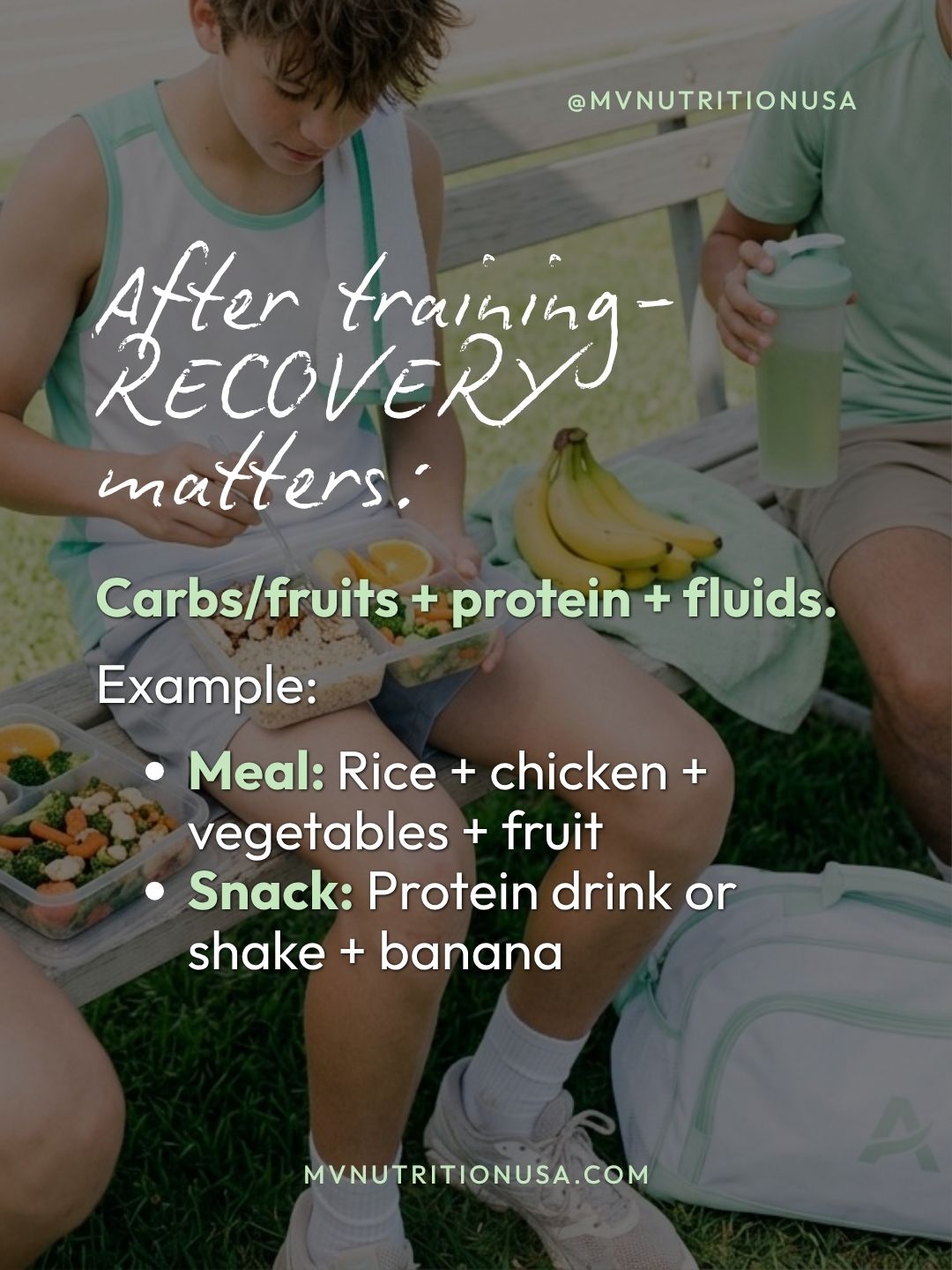
Recovery nutrition
After training, the priorities are simple: Carbohydrates / Fruits + Protein + Fluids.
Carbohydrates help replace glycogen. Protein supports muscle repair. Fluids help restore hydration.
Examples:
- Chocolate milk + banana
- Yogurt + cereal + fruit
- Turkey sandwich + milk
- Protein smoothie + granola bar
- Rice + chicken + vegetables
The urgency of recovery nutrition becomes greater when athletes have another practice, game, or tournament match within the same day or the following morning.
Supplements are not the foundation
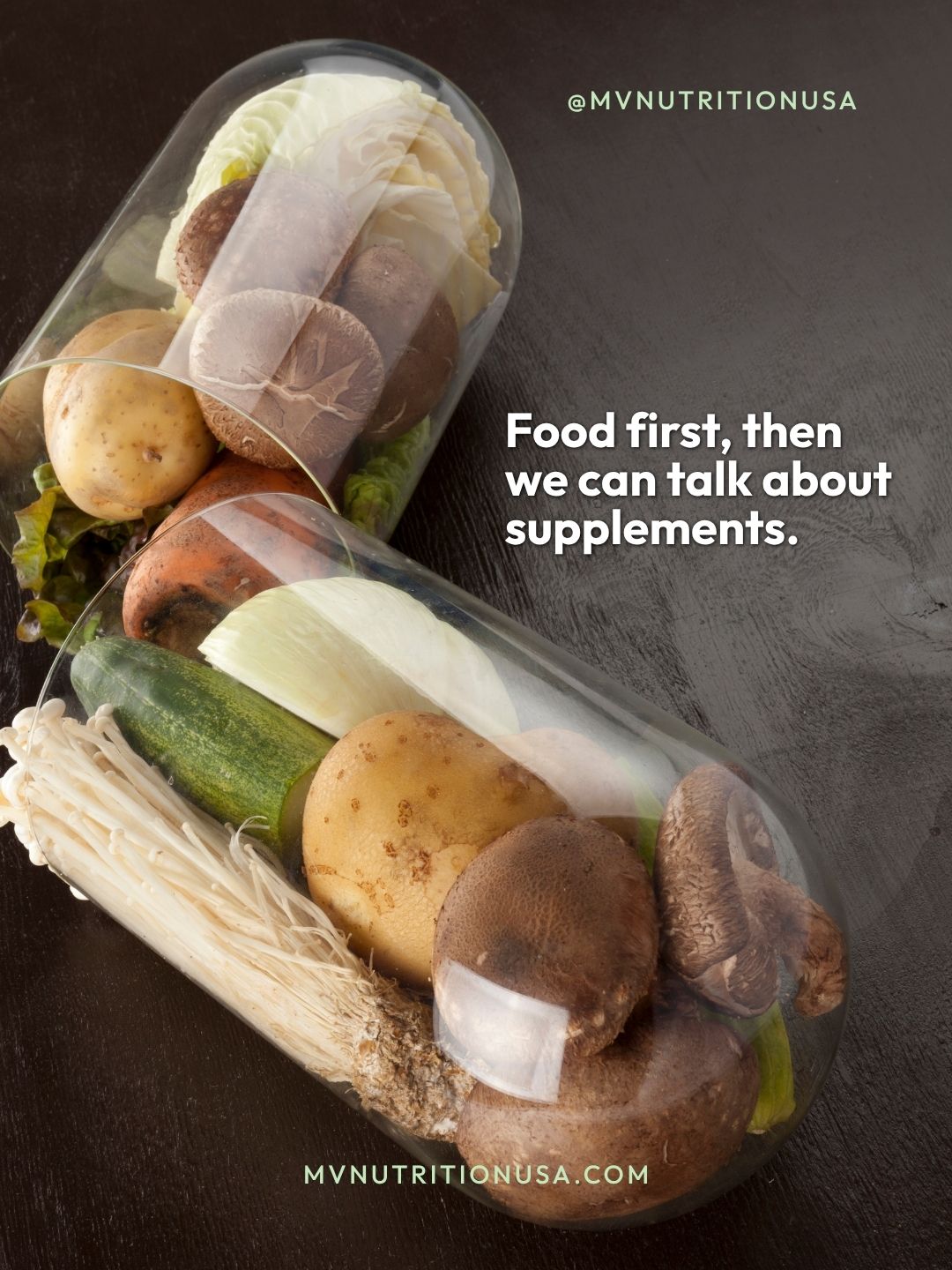
Protein powders, electrolytes, creatine, sports drinks, and other products may have a role in certain athletes.
But supplements should never replace adequate food intake.
Before adding supplements, ask:
- Is the athlete eating enough?
- Are they getting enough carbohydrates?
- Is protein distributed throughout the day?
- Are they hydrated?
- Are they sleeping enough?
- Is recovery adequate?
Fixing the basics often has a greater impact than adding another product.
How MV NUTRITION works with young athletes?
At MVNUTRITION, we do not simply hand young athletes a restrictive meal plan. We look at the entire picture.
Our assessment may include: Growth history, Medical history, Training schedule, Competition schedule, School routine, Current food intake, Hydration habits, GI symptoms, Recovery, Food preferences, Supplement use, Laboratory values when appropriate, Family routine and meal availability.
From there, we create a realistic plan that works around the athlete’s actual day.
That may include: School breakfast ideas, Lunch strategies, Pre-practice snacks, Tournament fueling, Hydration plans, Recovery meals, Portable foods, Restaurant and travel strategies, Supplement guidance, Education for parents and athletes.
Our goal is not just to improve performance. It is to help young athletes understand how to fuel their bodies confidently and develop habits they can carry into adulthood.
Final thoughts
Young athletes need more than talent and training. They need enough energy, carbohydrates, protein, fluids, micronutrients, recovery, and sleep to support everything their bodies are doing.
The best nutrition plan is not the most complicated one. It is the one the athlete can consistently follow.
If your young athlete is struggling with fatigue, inconsistent energy, recovery, GI issues, hydration, or simply knowing what to eat around training, MV NUTRITION can help build an individualized plan around their sport, school schedule, and family routine.