More than just protein shakes 😎 When people think about building muscle, they often picture spending hours in the gym or drinking multiple protein shakes every day. While both training and protein are important, building lean muscle is much more than that. Muscle is developed through the combination of progressive resistance training, proper nutrition, adequate recovery, and consistency over time. If one of these pieces is missing, your progress can slow dramatically. Whether you’re a competitive athlete trying to improve performance, someone recovering from an injury, or simply looking to become stronger and healthier, understanding the science behind muscle growth can help you reach your goals more efficiently.
What does "Muscle Mass" really mean?
Muscle muscle refers to skeletal muscle that contributes to strength, movement, metabolism, and overall health.
Increasing muscle mass can:
- Improve athletic performance
- Increase strength and power
- Support a healthy metabolism
- Improve bone health
- Reduce injury risk
- Promote healthy aging
- Improve insulin sensitivity
- Enhance overall body composition
Muscle is not just important for athletes, it’s essential throughout life.

Step 1: Resistance training creates the stimulus
Your muscles grow because they adapt to training. Resistance exercise causes small amounts of muscle damage and mechanical tension. During recovery, your body repairs those muscle fibers, making them stronger and often larger. For continued progress, training should gradually become more challenging through a concept called progressive overload, which may involve increasing weight, repetitions, sets, or training volume over time.
However, training alone isn’t enough. Without adequate nutrition, your body doesn’t have the resources it needs to build new muscle tissue.
Step 2: Eat enough calories
One of the biggest mistakes we see at MV NUTRITION is people trying to build muscle while eating too little. Building muscle requires energy. If your calorie intake is consistently too low, your body prioritizes essential functions over muscle growth. This doesn’t mean you need to “bulk” excessively. Instead, most people benefit from a small calorie surplus that supports muscle growth while minimizing unnecessary fat gain.
The ideal calorie target depends on your:
- Training volume
- Sport
- Body composition
- Recovery
- Daily activity level
- Goals
This is why individualized nutrition plans are so important.
Step 3: Prioritize protein
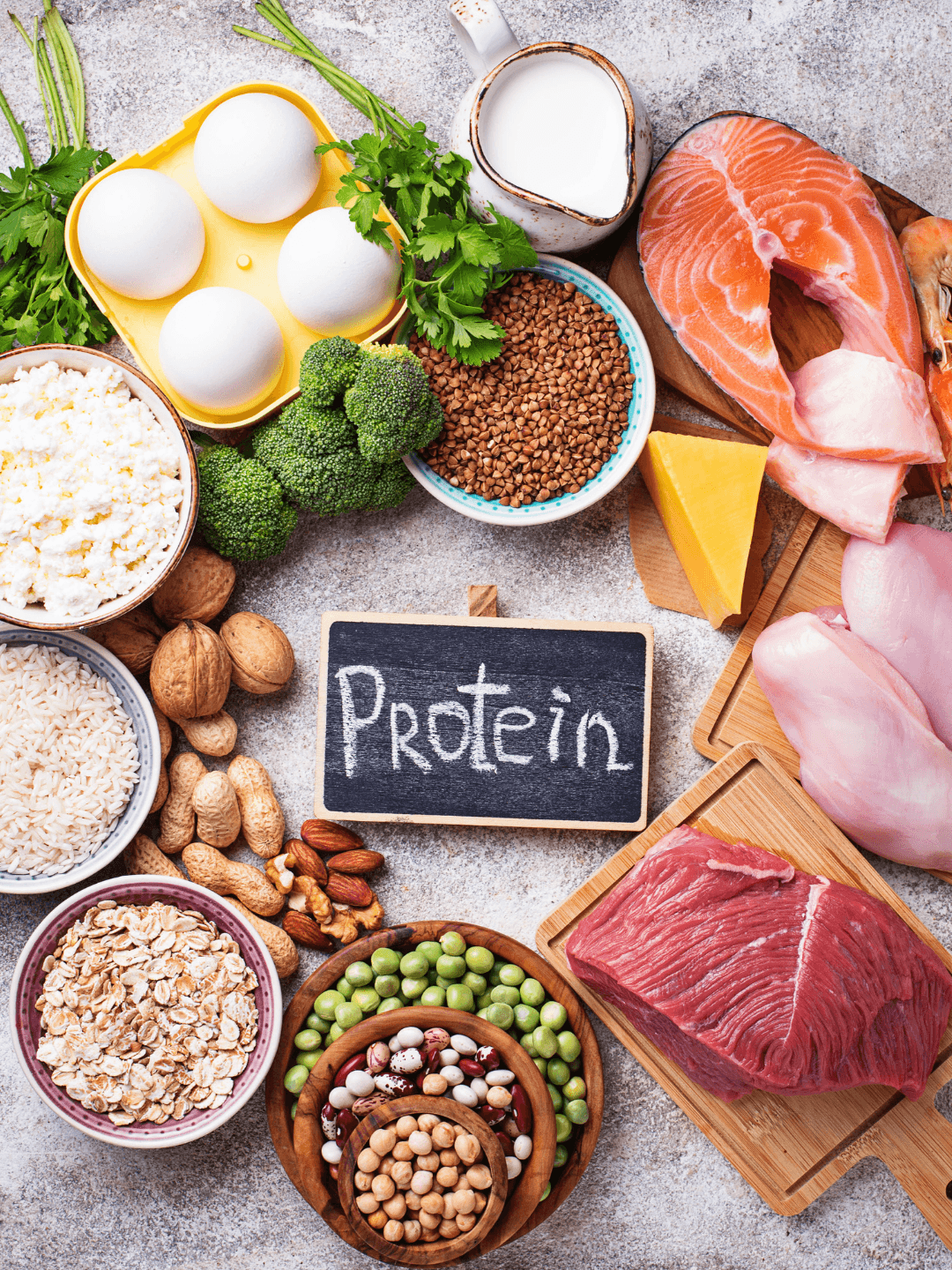
Protein provides the amino acids needed to repair and build muscle. Research consistently shows that athletes and physically active individuals generally benefit from consuming approximately 1.4–2.2 g of protein per kilogram of body weight per day, depending on their training and goals.
Equally important is how protein is distributed throughout the day. Rather than eating most of your protein at dinner, aim to include high-quality protein at each meal and snack to support muscle protein synthesis multiple times per day.
Excellent protein sources include:
- Chicken
- Turkey
- Fish
- Eggs
- Greek yogurt
- Cottage cheese
- Lean beef
- Soy foods
- Tofu
- Beans and lentils (when paired appropriately)
- Whey or plant-based protein powders when needed
Step 4: Don't fear carbohydrates
Carbohydrates are often misunderstood. While protein builds muscle, carbohydrates fuel the workouts that stimulate muscle growth.
Low carbohydrate intake can lead to:
- Poor training quality
- Earlier fatigue
- Slower recovery
- Reduced training volume
- Difficulty gaining muscle
Choosing mostly high-quality carbohydrate sources such as fruit, rice, potatoes, oats, whole grains, legumes, and dairy products helps replenish glycogen and support performance. The amount needed depends on your training volume and sport.
Step 5: Healthy fats still matter
Healthy fats support:
- Hormone production
- Cell membrane function
- Vitamin absorption
- Overall health
Foods such as avocados, olive oil, nuts, seeds, fatty fish, and nut butters should remain part of a balanced nutrition plan.
Step 6: Recovery is when muscle grows
Many people think muscles grow during the workout. They don’t. Training provides the stimulus. Recovery is when adaptation occurs.
Quality recovery includes:
- Adequate sleep (7–9 hours for most adults)
- Proper hydration
- Sufficient calories
- Protein intake
- Rest days
- Stress management
Ignoring recovery often limits progress more than the training program itself.

Common muscle-gain mistakes
Some of the most common mistakes include:
- Not eating enough calories
- Skipping carbohydrates
- Eating too little protein
- Depending only on supplements
- Frequently changing training programs
- Poor sleep habits
- Inconsistent nutrition
- Expecting results too quickly
Building muscle takes time. Consistency beats perfection.
How MV NUTRITION helps you build lean muscle?
Every athlete and every individual responds differently to training and nutrition.
At MVNUTRITION, we don’t use generic nutrition plans, we do a comprehensive evaluation and take an integral approach of care. Whether your goal is improving athletic performance, increasing strength, or building muscle muscle for overall health, our recommendations are practical so they can fit your life logistics!