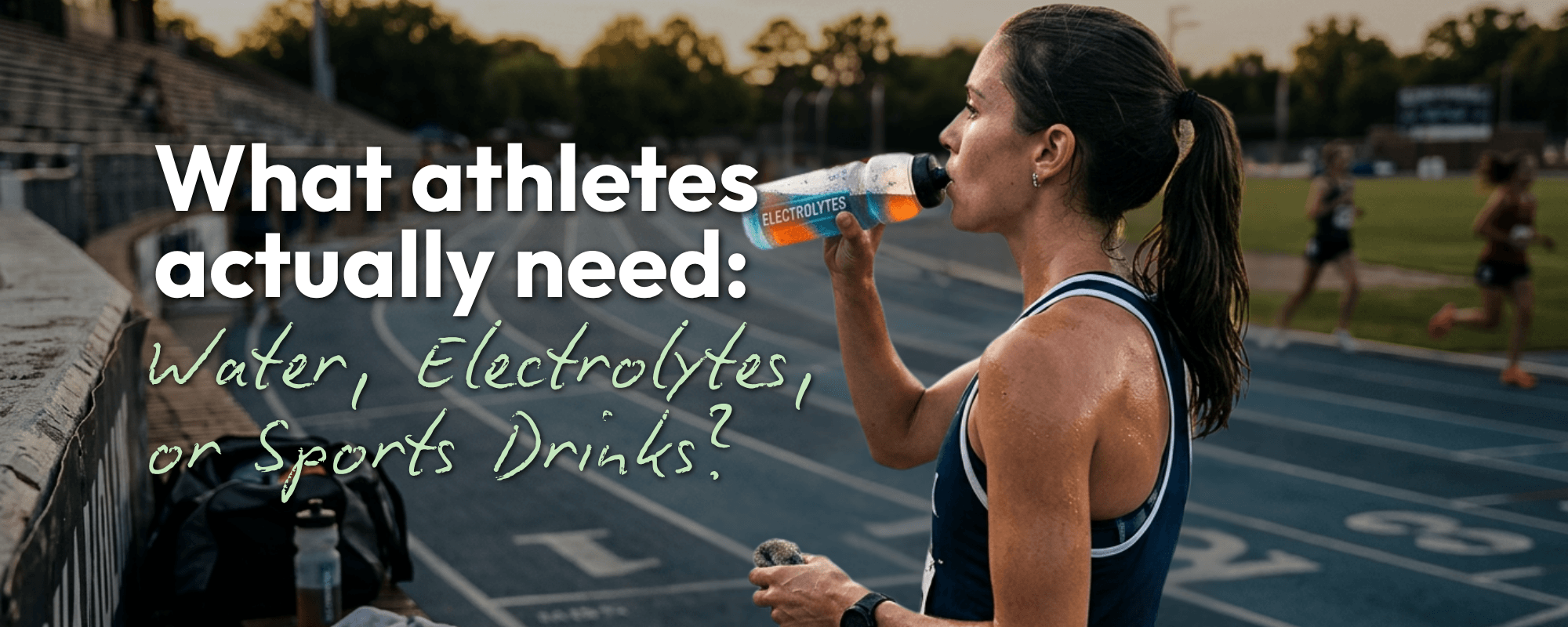



Recovery nutrition: The missing link in performance

Training breaks the body down. Recovery is where adaptation happens. Adaptations to training create stronger athletes.

Without proper recovery nutrition, athletes experience:

  •  Persistent fatigue and overtraining
  • Decreased performance
  • Increased injury risk
  • Poor training adaptations

At MVNUTRITION, we work on creating strategies that help you recover after each session and prepare for upcoming ones. 

Why Recovery Nutrition matters?

After training, your body is in a physiologically primed state to:


  • Replenish glycogen
  • Repair muscle tissue
  • Rehydrate and restore electrolytes

Missing this window—or underfueling—limits performance gains and prevents you from creating training adaptations. It limits your ability to become a stronger athlete.

The 3 Pillars of Recovery Nutrition The 3 Pillars of Recovery Nutrition

1. Carbohydrates: Refill the Tank

Carbohydrates restore glycogen stores, which are critical for subsequent sessions.


Guidelines:


  • Overall: 1.0–1.2 g/kg/hour for the first 4 hours (for high-demand athletes) divided into a quick post training snack and a full meal

Practical Examples:

 
  • Rice, pasta, potatoes, bread
  • Fruits, juices, granola bars
  • Sports drinks (when needed)

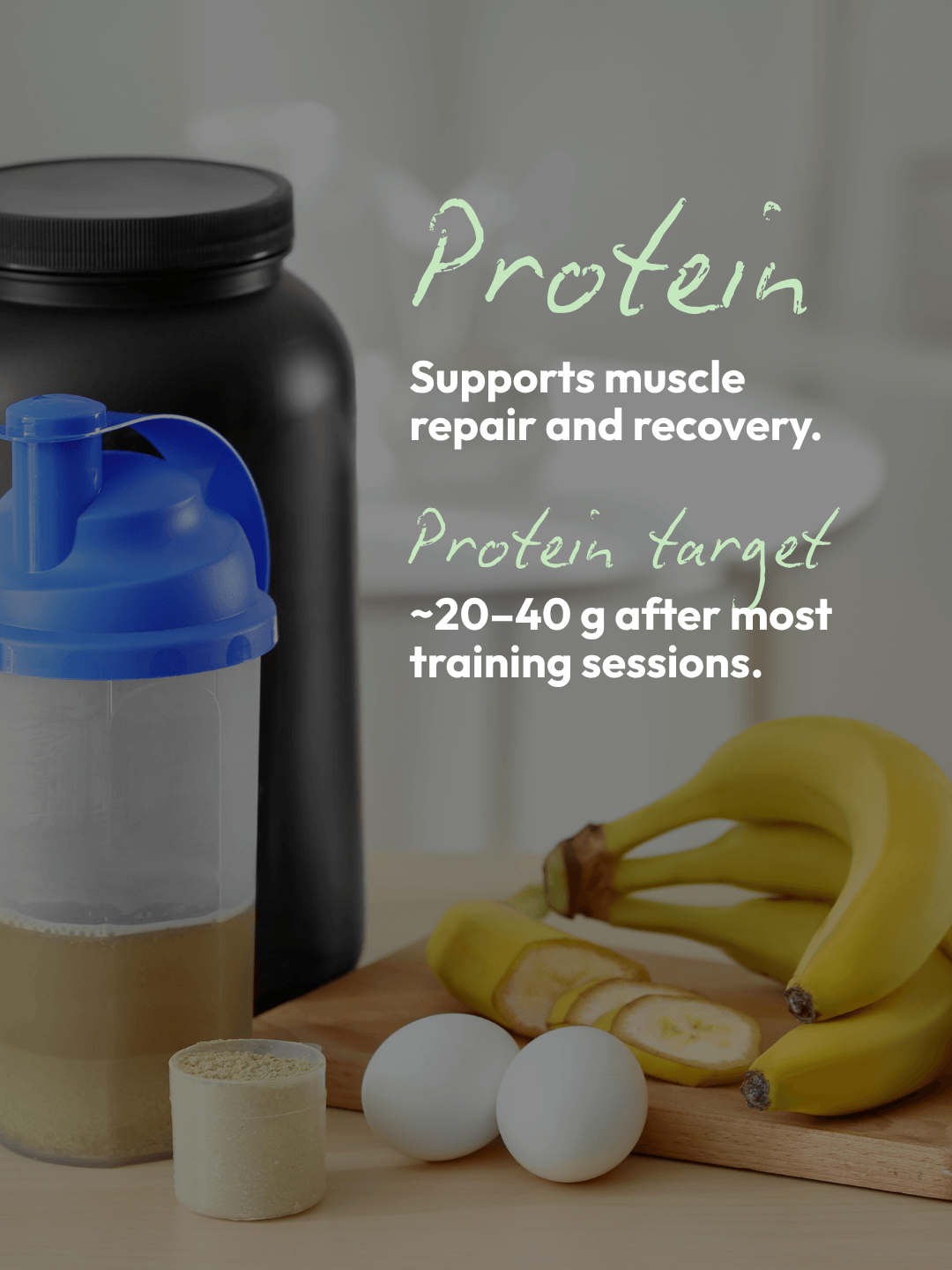
2. Protein — Repair and Adapt

Protein supports muscle repair and adaptation.


Guidelines:

  • 20–40 g high-quality protein post-exercise
  • Aim for 0.3 g/kg per meal

Practical Examples:

 
  • Eggs, chicken, fish among other animal sources
  • Greek yogurt, cottage cheese, MILK CHOCOLATE!
  • Protein shakes (when convenient)

3. Hydration — Restore Fluid Balance

Even small levels of dehydration can impair recovery.

Guidelines:

  • Replace 150% of fluid lost meaning 1.5 L per kg lost during training
  • Include electrolytes (mainly sodium) for optimal rehydration

Practical Examples:

  • Water + electrolytes
  • Sports drinks
  • Salty foods!

Timing Matters (But Total Intake Matters More)

The “Anabolic Window” is not as narrow as once believed—but early recovery nutrition still matters, especially when:

  • You train multiple times per day
  • Recovery time is limited
  • Sessions are highly intense

👉 Aim to eat a recovery snack within 30–60 minutes post-training and a full meal within 2-4 hours post training.

Common Recovery Mistakes

  • Skipping post-workout meals and waiting too long to eat!
  • Underestimating carbohydrate needs
  • Focusing only on protein
  • Inadequate hydration
Recovery Nutrition Checklist Recovery Nutrition Checklist
Use this after every training session:

Did I eat within 45 minutes post training?

Did I include carbohydrates + protein?

Did I rehydrate adequately?

Did I include electrolytes if needed?

Am I eating enough throughout the day?

Final takeaway:

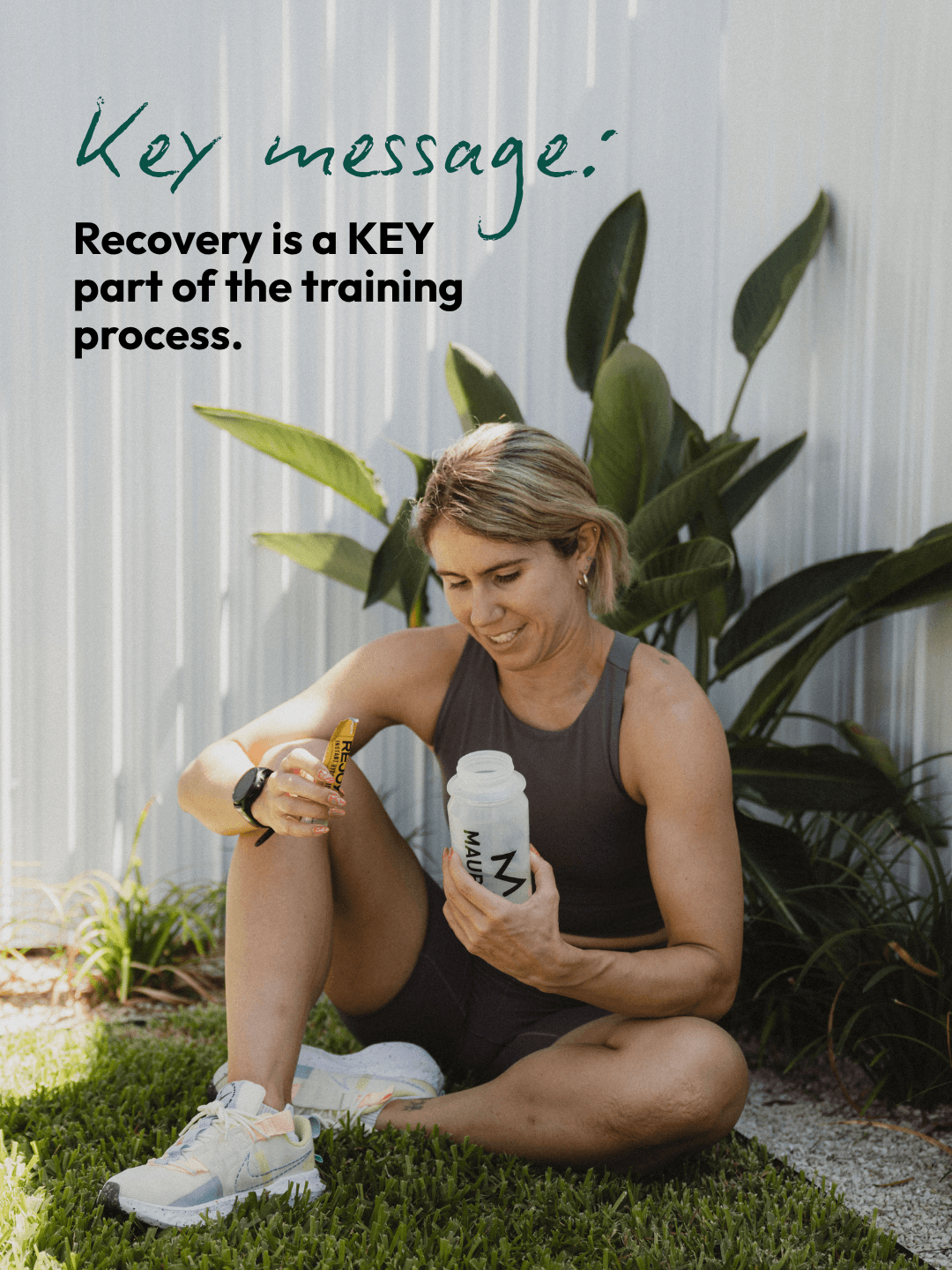
Recovery is not optional—it is a performance strategy.

Athletes who prioritize recovery nutrition:

  • Train more consistently
  • Adapt better
  • Perform at higher levels

At MVNUTRITION, we design structured recovery strategies tailored to your training, schedule, and sport, so you never leave performance gains on the table.


Want to recover faster and perform better? Book a consultation with MVNUTRITION and let’s optimize your recovery plan.

Related Posts