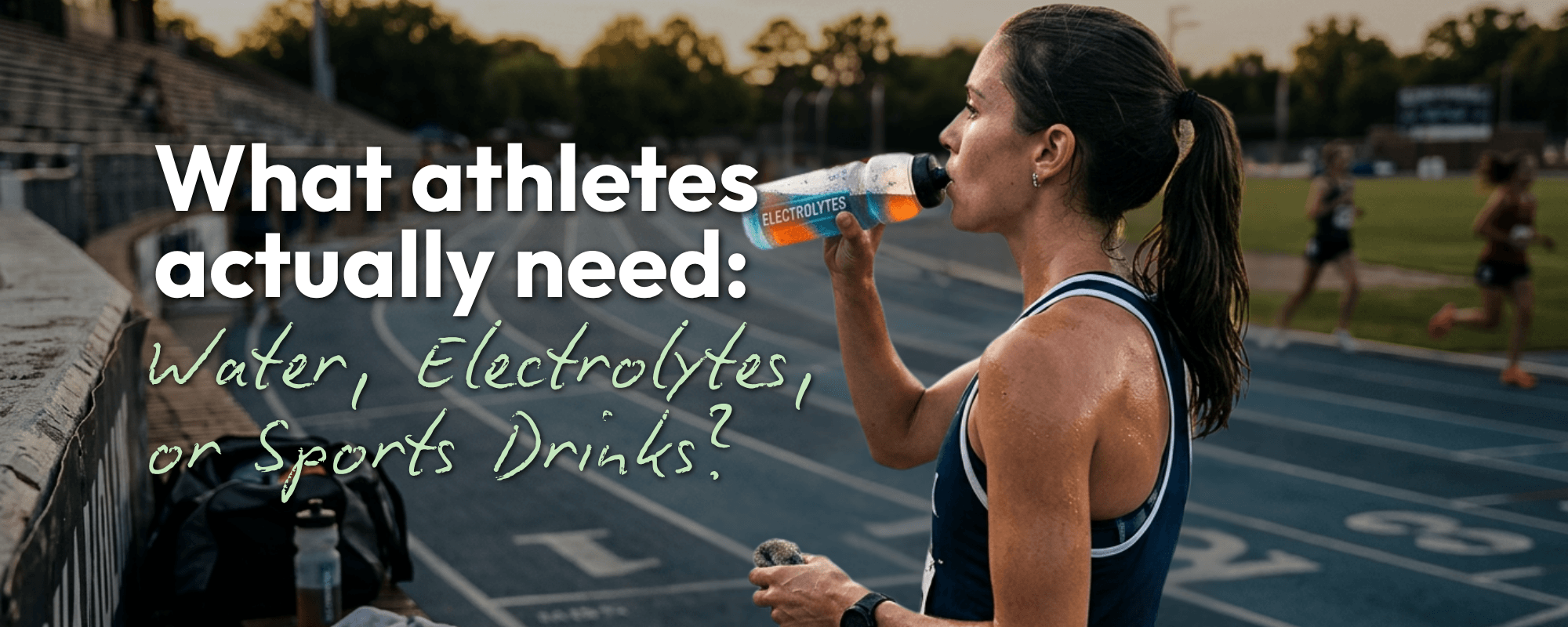

Summer training can feel harder for a reason. When temperatures rise, your body has to work harder to stay cool. You sweat more, lose more fluid, and may lose more electrolytes. This can affect your energy, endurance, focus, recovery, and overall performance. For athletes, hydration is not just about drinking more water. It is about knowing what to drink, when to drink, and whether you need electrolytes or carbohydrates to support your training.
At MVNUTRITION, we help athletes build hydration plans that match their body, sport, sweat rate, training schedule, and goals.
Why hydration matters during summer training
Water plays a big role in how your body performs. It helps regulate body temperature, supports blood flow, helps transport nutrients, and allows your muscles to work properly.
When you lose too much fluid through sweat, your body has to work harder to keep up. This can make training feel more difficult, even if your fitness has not changed.
Poor hydration can lead to:
- Feeling tired earlier than usual
- Lower endurance
- Reduced speed or power
- Headaches
- Dizziness
- Poor focus
- Higher heart rate during training
- More difficulty recovering after workouts
- Increased risk of heat-related symptoms
In the summer, these problems can happen faster because sweat losses are usually higher.
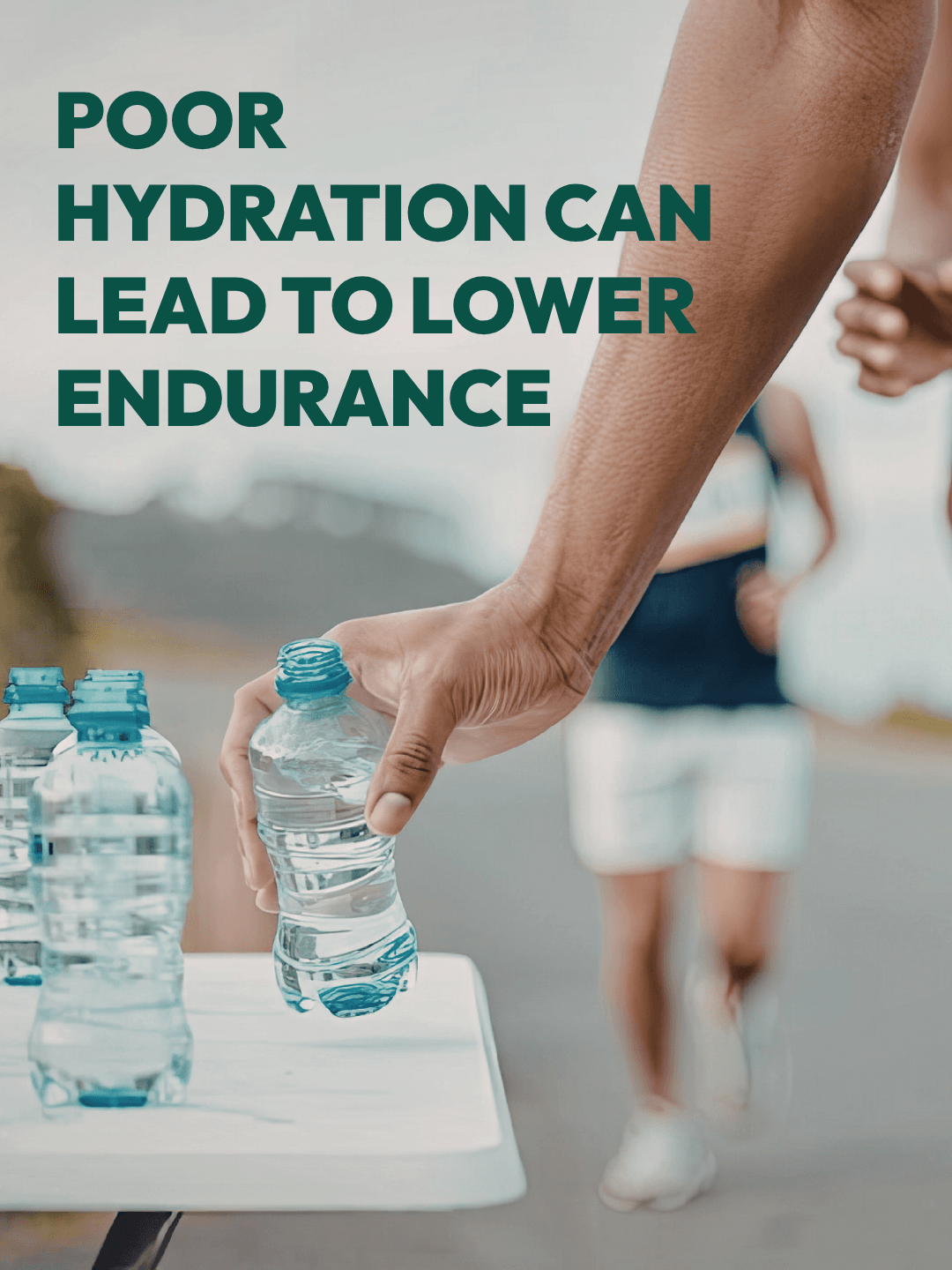
Why summer heat makes training harder.
During hot weather, your body sweats to help cool you down. But when it is hot and humid, cooling becomes more difficult. You may be sweating a lot, but your body may still struggle to release heat efficiently. This can make workouts, practices, games, and races feel much harder.
The hydration plan that worked in cooler weather may not be enough during the summer.
How do you know if you are hydrating enough?
Many athletes think thirst is the best sign they need to drink. But thirst is not always enough, especially during long or intense training.
Signs you may not be hydrating well include:
- You feel drained halfway through practice
- You get headaches after training
- You feel dizzy or nauseous
- You cramp often
- Your urine is dark yellow
- Your heart rate feels higher than normal
- You feel unusually tired after workouts
- You see salt stains on your clothes
- You lose several pounds during training
- You struggle to recover between sessions
These signs do not always mean you are dehydrated, but they are clues that your hydration and fueling plan may need to be adjusted.
A simple way to check your sweat loss
One helpful tool is a sweat test. It gives you a better idea of how much fluid you lose during training.
Here is how to do it:
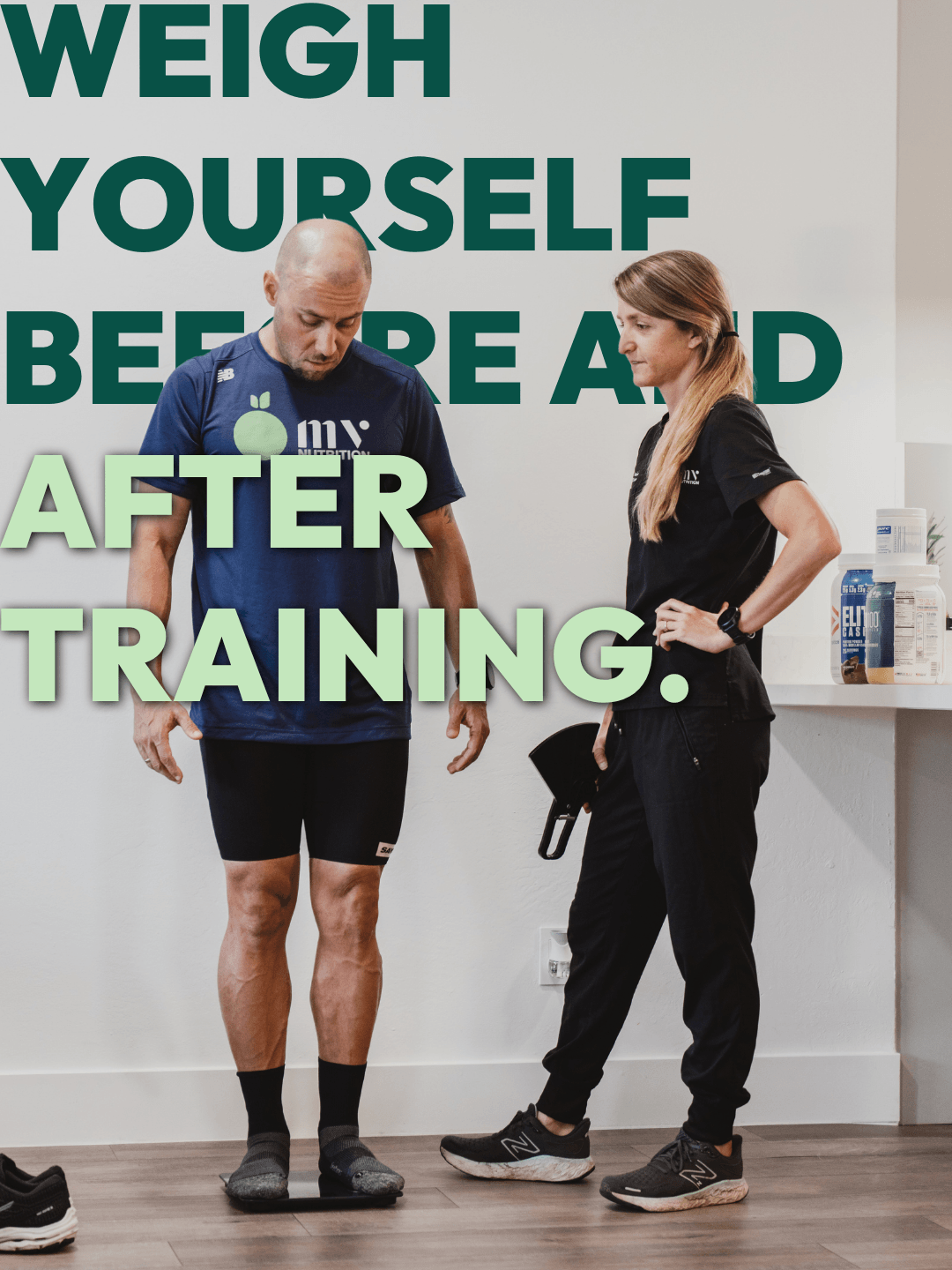
- Weigh yourself before training.
- Train as usual.
- Track how much fluid you drink.
- Weigh yourself after training.
- Each pound lost is about 16 ounces of fluid.
For example, if you lose 2 pounds during practice, that is about 32 ounces of fluid lost, not including what you drank during training.
This helps you understand whether you are drinking enough or whether your plan needs more structure.
What should athletes drink before training?
Hydration should start before practice, not when you are already sweating. A simple goal is to drink fluids regularly throughout the day and make sure you are not starting training already behind.
A practical pre-training strategy:
2–4 hours before training:
Drink water or a hydration beverage with your meal or snack. This is the time to add electrolytes!
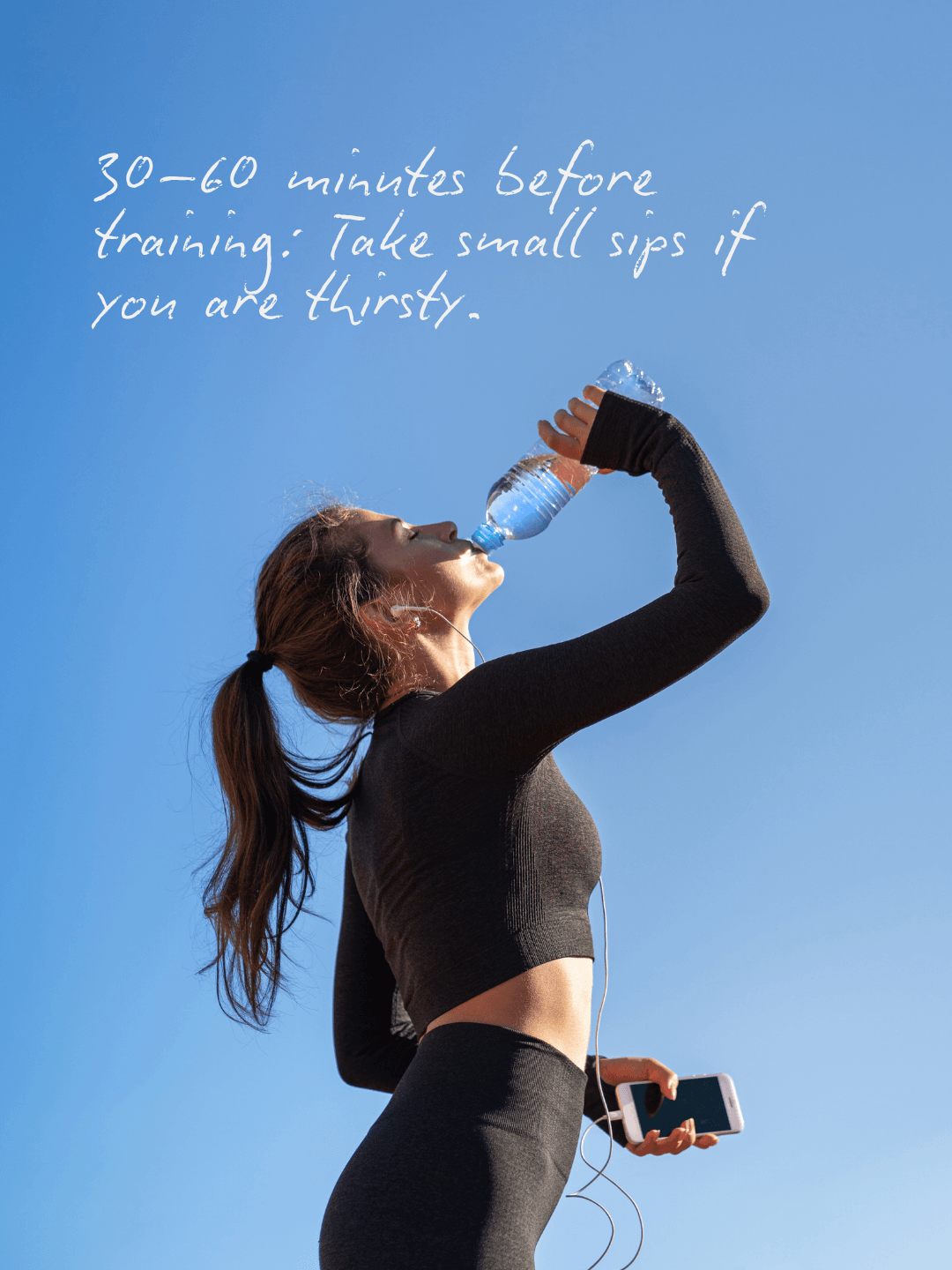
30–60 minutes before training:
Take small sips if you are thirsty, training in the heat, or know you sweat heavily.
2–4 hours before training:
Drink water or a hydration beverage with your meal or snack. This is the time to add electrolytes!
30–60 minutes before training:
Take small sips if you are thirsty, training in the heat, or know you sweat heavily.
You do not need to chug large amounts of water right before practice. That can make you feel bloated or uncomfortable.
What should athletes drink during training?
During training, the goal is to replace enough fluid to support performance without overdrinking.
You may need a more structured hydration plan if you are:
- Training longer than 60–90 minutes
- Training in hot or humid weather
- Sweating heavily
- Wearing uniforms, pads, or gear
- Playing multiple games in one day
- Doing endurance training
- Cramping often
- Getting headaches after workouts
- Feeling wiped out after practice
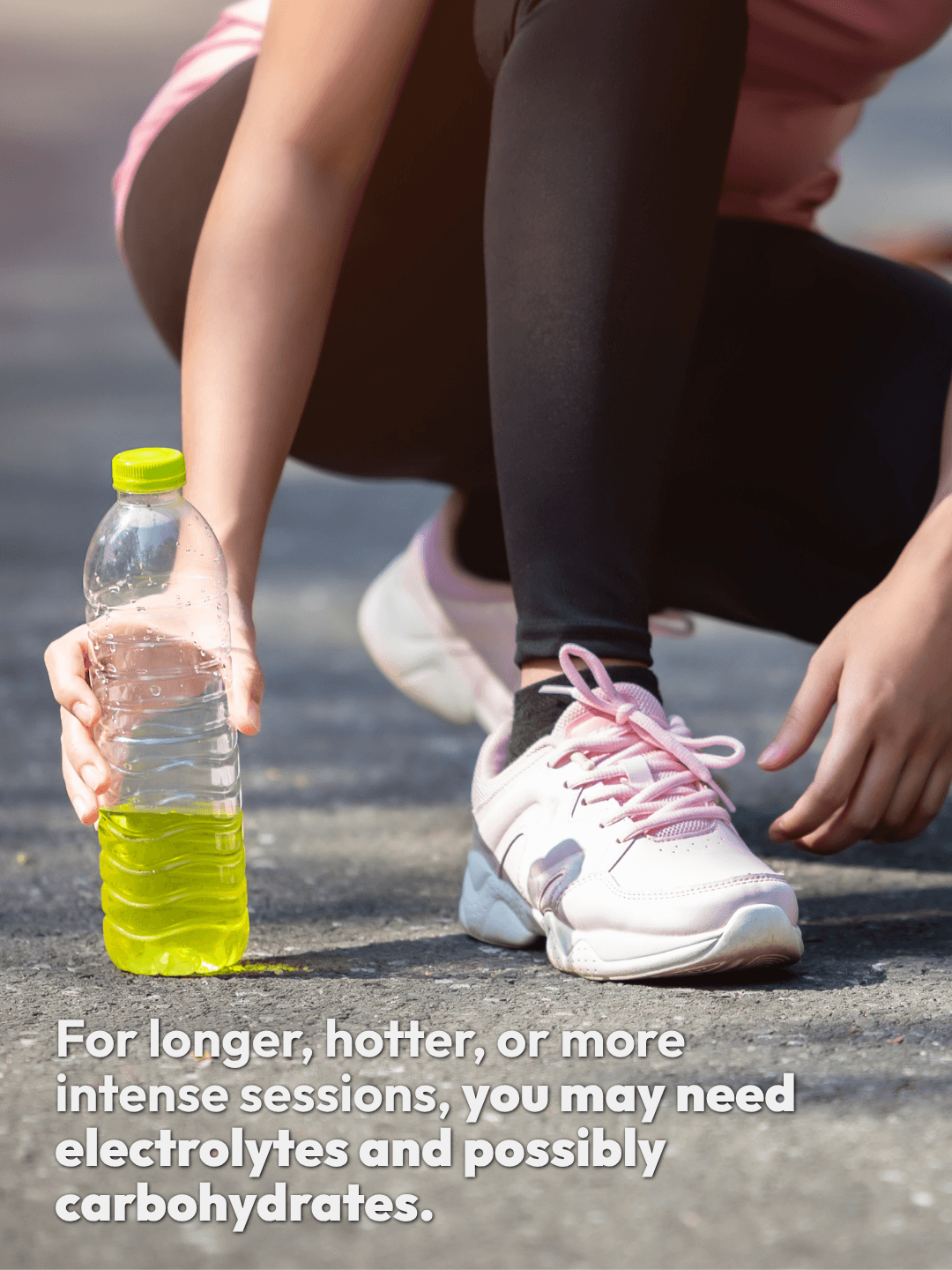
For shorter workouts, water may be enough. For longer, hotter, or more intense sessions, you may need electrolytes and possibly carbohydrates. In South Florida, athletes might need to ALWAYS OPTIMIZE HYDRATION no matter how long is the session.
Water vs Electrolytes
Water is important, but water alone is not always enough. When you sweat, you lose fluid and electrolytes. The electrolyte athletes usually need to pay the most attention to is sodium.
Sodium helps your body hold onto fluid and replace what you lose in sweat. But not every athlete needs electrolytes all day. The goal is to use them when they actually match your training and sweat losses.
Don’t Forget Fuel!
Hydration is only one piece of performance.
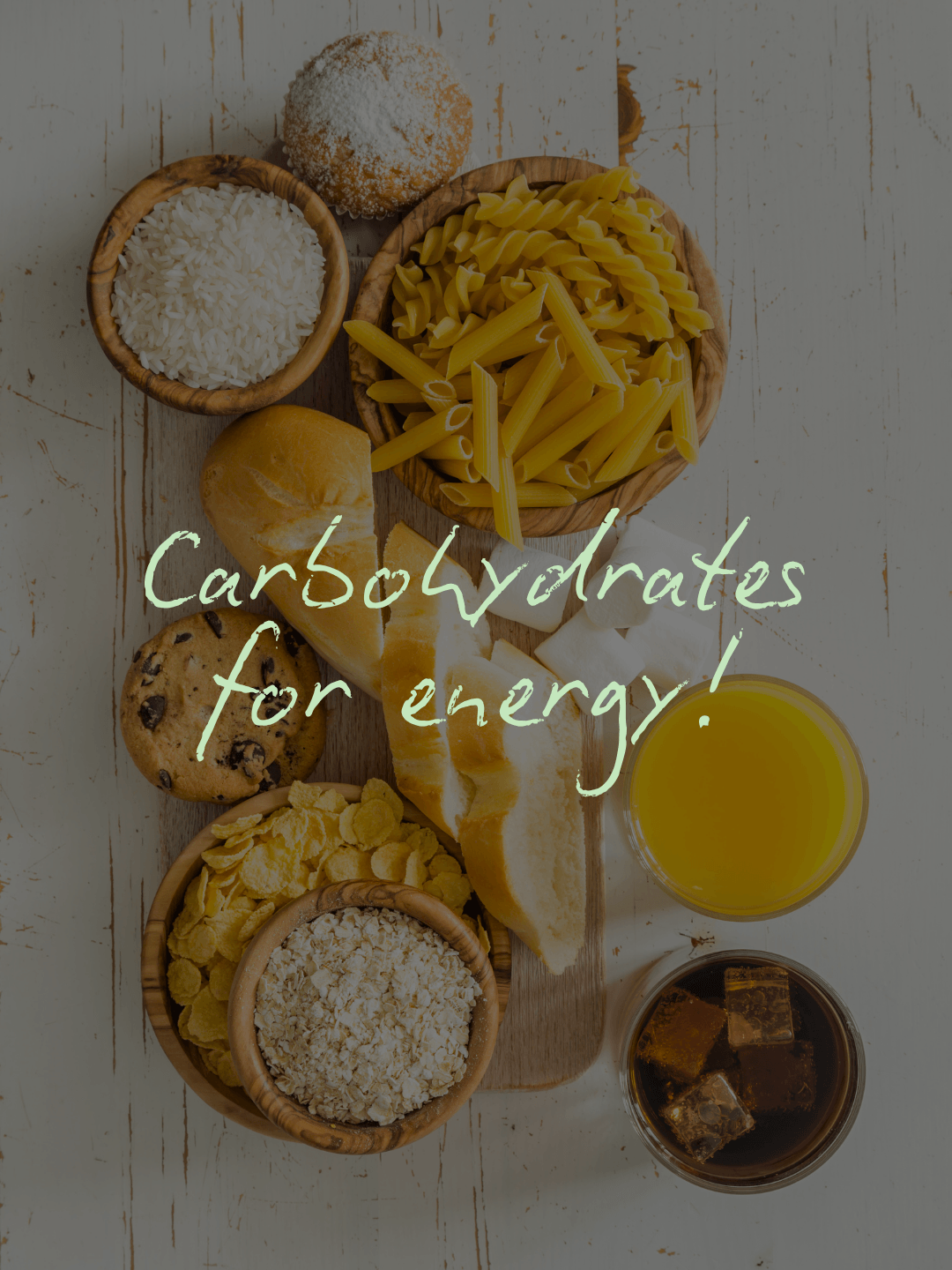
If your workout is long or intense, your body may also need carbohydrates for energy. This is especially true during long runs, cycling, tournaments, double sessions, and endurance events.
A sports drink can be helpful because it may provide:
- Fluid
- Sodium
- Carbohydrates for energy
- Better taste, which may help you drink more consistently
But not every sports drink is the same. Some are made mostly for hydration. Others are designed to provide fuel during exercise. Choosing the right one matters.
Common summer hydration mistakes.
1. Waiting until training starts to drink
If you start practice already dehydrated, it is harder to catch up.
2. Drinking only plain water during long, sweaty sessions
Water matters, but if you are sweating a lot, you may also need sodium.
3. Copying someone else’s hydration plan
Your sweat rate and sodium losses may be completely different from your teammate’s.
4. Using the same plan year-round
Summer training usually requires a different hydration strategy than cooler-weather training.
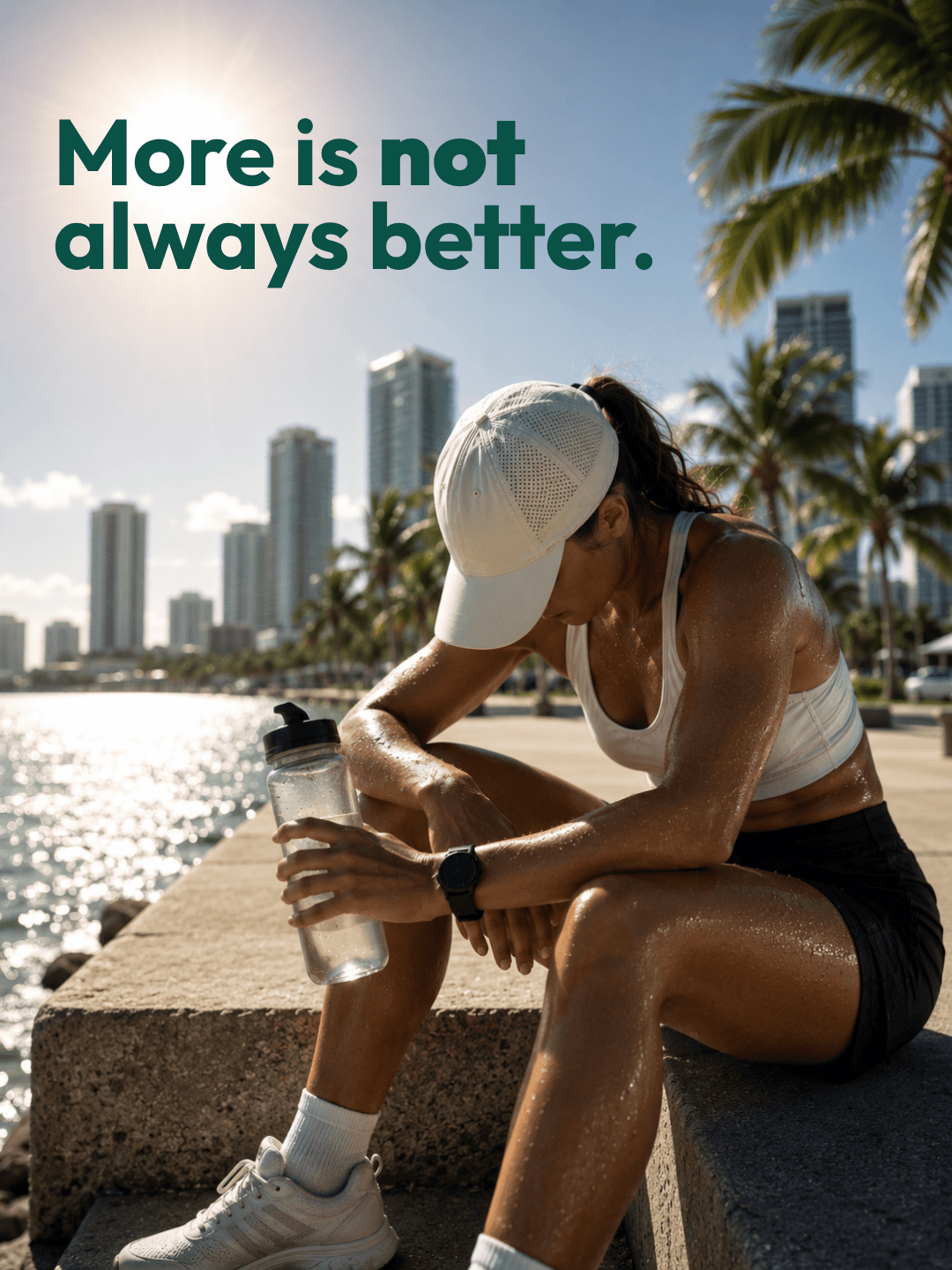
5. Drinking too much
More is not always better. Drinking too much water without enough sodium can also cause problems.
How MVNUTRITION can help?
Ready to Feel Better During Summer Training?
If you are dealing with fatigue, cramps, headaches, dizziness, or poor recovery during summer workouts, your hydration plan may need an upgrade.
Book a sports nutrition consultation with MVNUTRITION and get a hydration strategy built for your body, your sport, and your summer training goals.