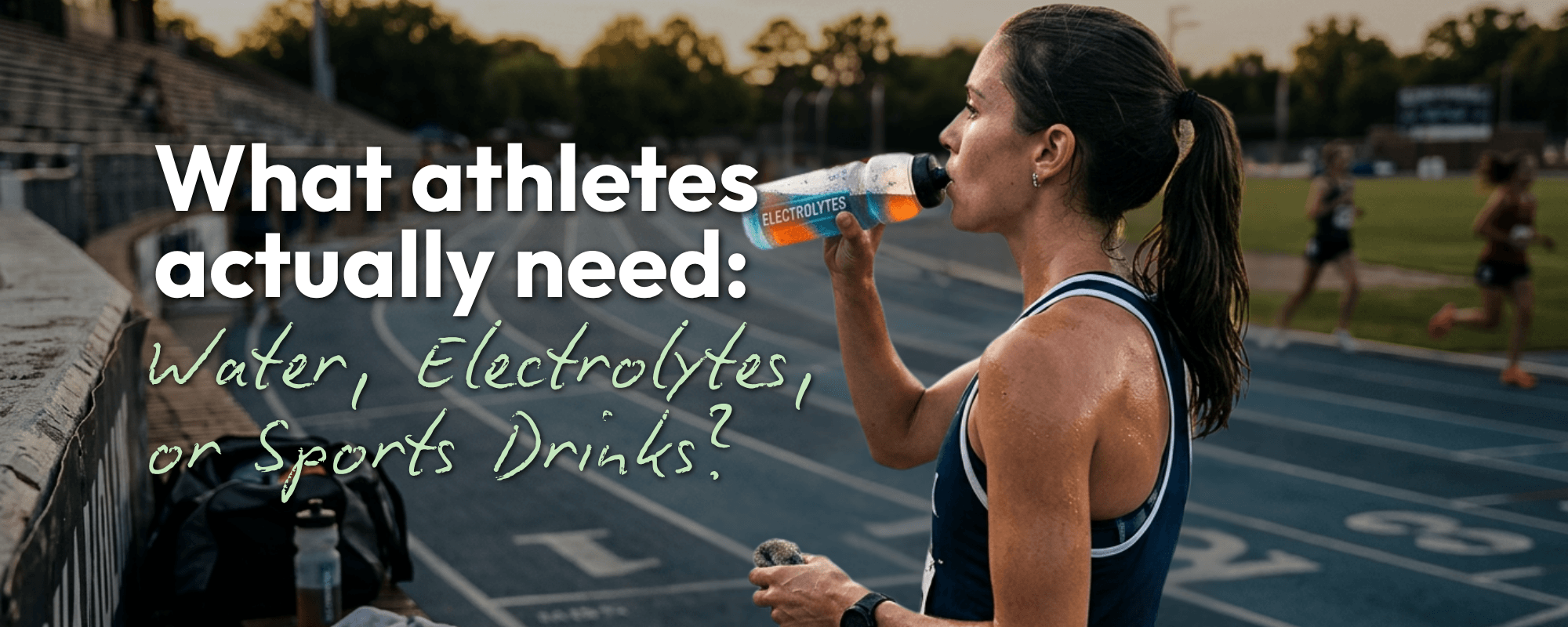
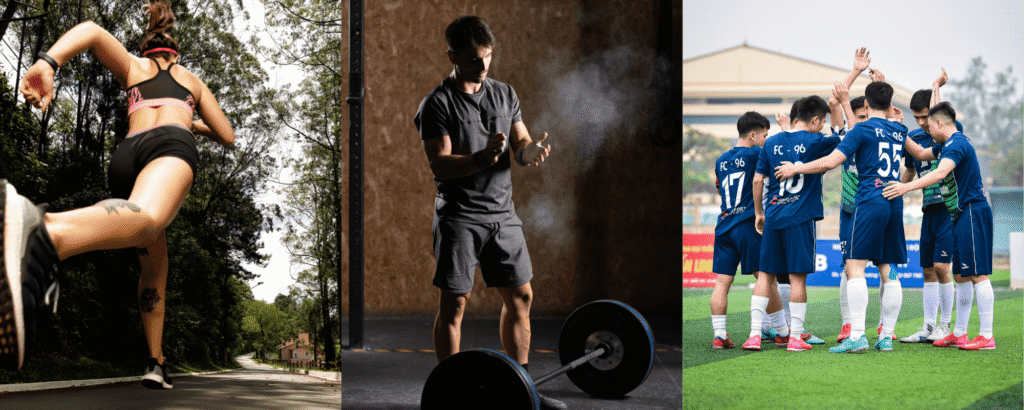
Performance is not just about training, it is about fueling for the work required. Athletes often make the mistake of applying a one-size-fits-all approach to nutrition, when in reality, fueling strategies must reflect the demands of the sport, intensity, duration, and training phase.
At MVNUTRITION, we emphasize that nutrition is periodized just like training. Below is how fueling should differ across three major categories of sport.
1. Endurance Sports (Triathlon, Running, Cycling)
Endurance athletes rely heavily on carbohydrates as their primary fuel source.
Key Priorities:
- High carbohydrate availability
- Glycogen optimization
- Gut training for race day
Evidence-Based Guidelines:
- Carbohydrates: 5–12 g/kg/day depending on training load
- Protein: 1.8–2.0 g/kg/day-recently updated
- During training: 30–120 g carbs/hour depending on the length and intensity of the training session (multi-transportable carbs for longer sessions)
Practical Application:
- Pre-training: Easily digestible carbs (e.g., toast + banana) about 1-1.5g/kg/d + caffeine if used to!
- During: fast absorbing carbs: gels, sports drinks/powders, chews, fluid and electrolytes. Some solids might work!
- Post-training: Carbs + protein combination within 30-45’ minutes in a 3:1 ratio!

2. Strength & Power Sports (Weightlifting, CrossFit, Sprinting)
These athletes depend more on anaerobic energy systems, but carbohydrates are still essential for performance and recovery.
Key Priorities:
- Adequate protein intake for muscle repair
- Strategic carbohydrate intake to support training intensity
- Total energy sufficiency to allow protein to be used for muscle repair
Evidence-Based Guidelines:
- Protein: 1.6–2.2 g/kg/day
- Carbohydrates: 3–6 g/kg/day
- Creatine supplementation (when appropriate) is KEY
Practical Application:
- Pre-training: Carbs + protein (e.g., Greek yogurt + fruit)
- Post-training: High-quality protein (20–40 g) + carbs (60-75g)
- Consistent protein distribution every 3–4 hours (about 20-40g per meal)

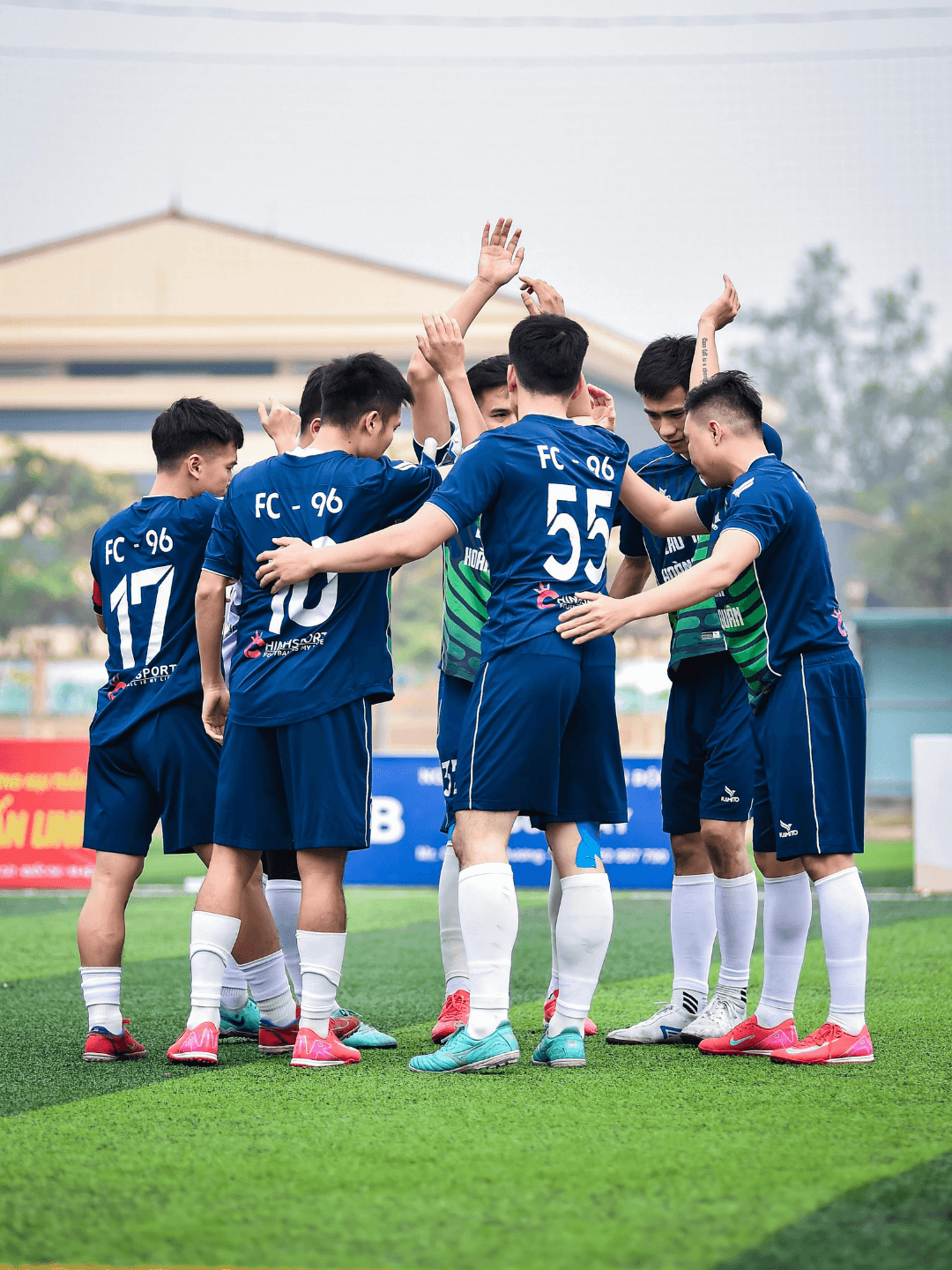
3. Team Sports (Soccer, Basketball, Tennis)
Team sport athletes require hybrid fueling strategies, combining endurance and high-intensity efforts.
Key Priorities:
- Glycogen availability for repeated sprints
- Hydration and electrolytes to support hydration
- Rapid recovery between sessions/games with easily absorbable carbs similar to the ones used in endurance sports
Evidence-Based Guidelines:
- Carbohydrates: 4–8 g/kg/day
- Protein: 1.4–1.8 g/kg/day-up to 2.0 g/kg depending on the sport!
- During competition: 30–60 g carbs/hour
Practical Application:
- Pre-game: Carb-focused meal 2–4 hours before
- Halftime: Quick carbs that can be easily absorbed (sports drink, fruit)
- Post-game: Recovery meal within 30-45’ and a full meal within 2-4 hours by the end of the day
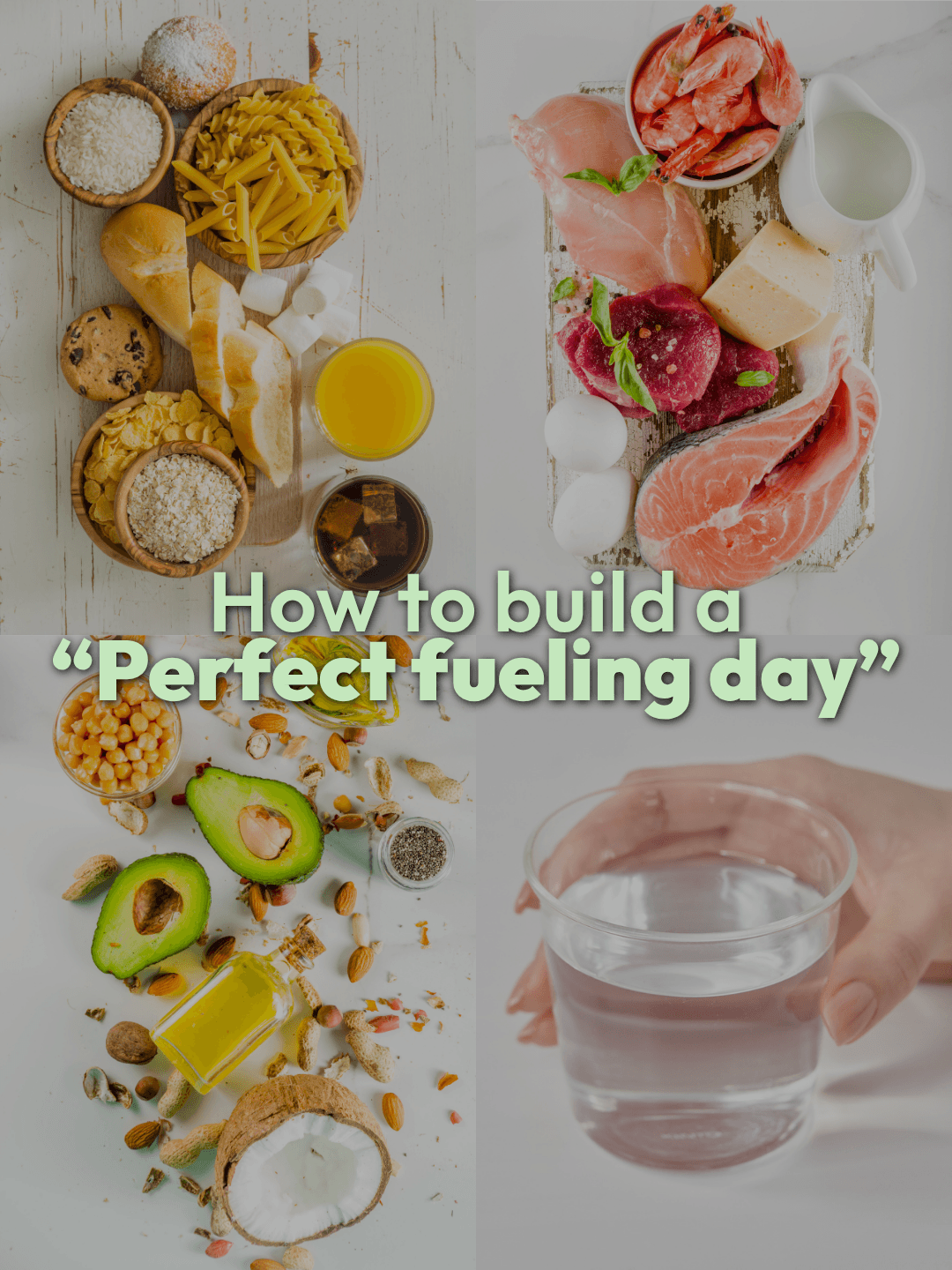
Regardless of sport, a high-performance fueling day includes:
1. Consistency:
Fueling is not just pre- and post-workout—it is all day and every day. Learn how periodized nutrition!.
2. Strategic Timing:
- Pre Training: Prepare for performance by making sure glycogen stores are full and hydration is on point
- During: Sustain performance with external sources of carbs, mainly in those sports that last more than 90’ or are very high intensity
- Post Training: Recover and adapt- this is when athletes become stronger!
3. Balanced Plates, periodized nutrition:
Every meal should include:
- Carbohydrates (replenish glycogen stores)
- Protein (repair and build muscle mass)
- Fats (support hormones+ satiety + energy reserves)
- Fluids + electrolytes (sustain hydration)
Example day for a double session:
- Pre Training Snack: a slice of bread with PB and Jelly + coffee + fluid/electrolytes
- TRAINING SESSION 1-intrafueling during
- Breakfast: Eggs, toast, avocado and fruit + fluid/electrolytes
- Snack: Yogurt + granola/fruit
- Lunch: Rice + chicken + salad with olive oil
- Pre training snack: bagel with jelly or banana with honey
- TRAINING SESSION 2-intrafueling
- Recovery snack: Protein shake with fruit
- Dinner: Potatoes +salmon + veggies with olive oil

Final takeaway:
Performance nutrition and general nutrition differ. One seeks overall health, the other one although wants to sustain health, has a strong focus on performance—it is about fueling for the work required.
At MVNUTRITION, we don’t believe in generic plans. We build personalized nutrition programs based on your sport, training load, and goals, so you can train harder, recover faster, and perform at your best.
If you’re ready to take your performance to the next level, book a consultation with us and let’s build your fueling strategy the right way.