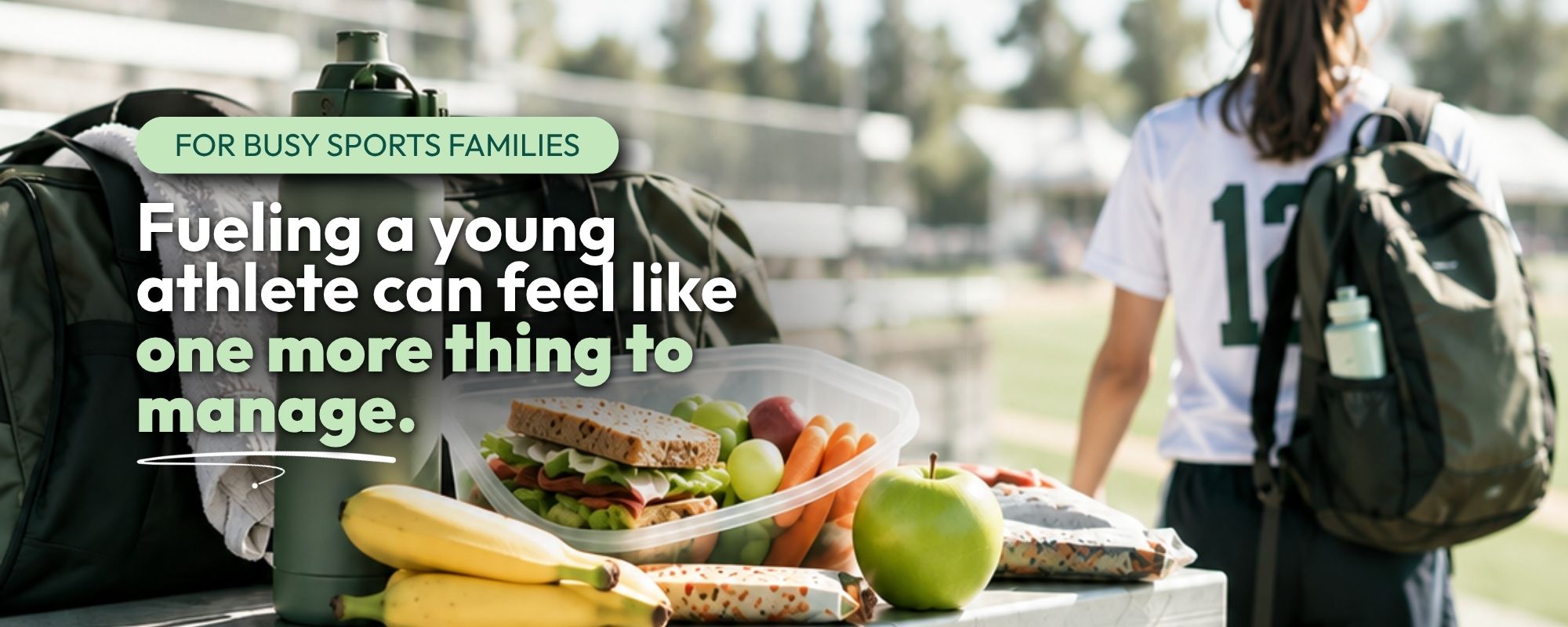

The holiday season brings family gatherings, travel, celebrations, and changes in routine. For athletes, it can also bring some concerns when it comes on how to fuel: How do I enjoy the holidays without compromising my nutrition and training goals?
The good news is that maintaining performance doesn’t require avoiding holiday foods, skipping social events, or following a rigid diet.
Instead, the most effective approach is to understand your training demands, maintain adequate fueling, and develop a flexible strategy that works with your schedule.
At MVNUTRITION, we believe nutrition should support both athletic performance and quality of life.
1. Avoid the restrict-and-overeat cycle
One of the most common holiday nutrition mistakes is intentionally skipping meals before a large celebration. The idea is simple: eat less during the day to save calories for dinner.
But arriving at a holiday meal extremely hungry may make it harder to eat comfortably and recognize fullness. For athletes, skipping meals can also compromise energy availability and training recovery.
A better strategy: Maintain regular meals throughout the day.
If you’re attending a holiday dinner, eat breakfast and lunch as usual. Include carbohydrates, protein, and other nutrient-rich foods.
You can enjoy a holiday meal without treating it as something that requires compensation.

2. Match your nutrition to your training
Your nutrition needs don’t disappear during the holidays. If you’re continuing to train, your body still requires adequate energy to support exercise, recovery, and normal physiological functions.
For endurance athletes, carbohydrate availability is particularly important. For strength and power athletes, adequate protein, carbohydrates, and total energy support training adaptations. For recreationally active individuals, balanced meals and consistent eating patterns remain valuable.
Carbohydrates
- Carbohydrates help fuel moderate- and high-intensity exercise and replenish glycogen stores.
- Sources include rice, pasta, potatoes, bread, fruit, oats, and cereals.
Protein
- Protein supports muscle repair and adaptation.
- Many exercising adults benefit from approximately 1.4–2.0 g/kg/day, with individual needs varying by sport, training phase, and energy intake.
- Higher targets may be appropriate in certain circumstances under professional guidance.
Dietary Fats
- Fat supports overall health and helps provide sufficient energy.
- Sources include olive oil, nuts, seeds, avocados, and fatty fish.
- The key is balance rather than restriction.
3. Plan fueling around holiday workouts
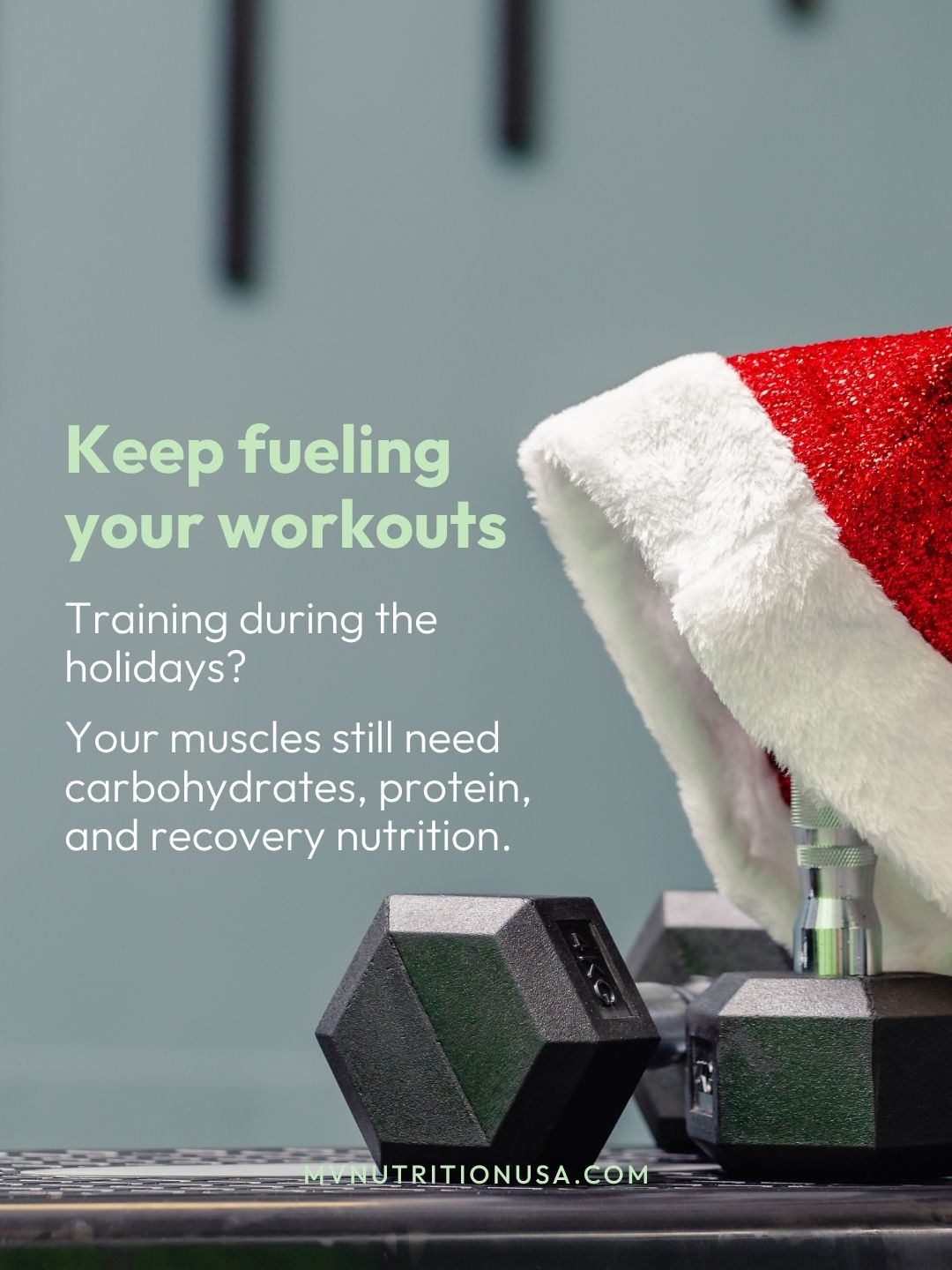
Training schedules often change during the holiday season. You may train earlier, later, or at a different intensity than usual. Instead of forcing your old meal schedule to fit, adjust your nutrition to match the new routine.
– Before Exercise
For a workout beginning in 2–3 hours, a balanced meal containing carbohydrates and some protein/fats may work well depending on the sport.
Examples:
- Oatmeal with milk, fruit, and yogurt
- Bagel with eggs and fruit
- Rice with chicken
- Turkey sandwich and banana
For exercise beginning in 30–60 minutes, choose a smaller, easily digested carbohydrate-rich snack.
Examples:
- Banana
- Applesauce
- Pretzels
- Fig bar
– During Exercise
For shorter sessions, additional carbohydrate may not be necessary. For prolonged or demanding endurance exercise, carbohydrate intake becomes increasingly important.
A common starting range for sessions lasting approximately 1–2.5 hours is 30–60 g of carbohydrate per hour, with higher intakes potentially beneficial during longer events depending on training, tolerance, and the athlete’s needs.
– After Exercise
Recovery priorities include: carbohydrates to replenish glycogen, protein to support muscle repair, fluids and sodium as needed to replace losses
Examples:
- Chocolate milk and banana
- Greek yogurt with granola
- Chicken with rice
- Turkey sandwich and fruit
4. Holiday meals can be part of your nutrition plan
Holiday meals often contain a mixture of carbohydrates, proteins, fats, and vegetables.
Turkey, potatoes, rice, stuffing, roasted vegetables, and traditional family dishes can all fit into a balanced eating pattern.
Instead of labeling foods as good or bad, consider what your body needs and what foods you enjoy. You do not need to construct a perfect plate at every meal.
One celebration does not determine your health or performance. Your overall habits matter much more.

5. Alcohol and athletic recovery
Alcohol is common at holiday celebrations, but it can affect several components of recovery.
Research suggests that higher alcohol intakes after exercise can impair muscle protein synthesis and may interfere with sleep and hydration. The effects depend on the amount consumed, timing, and individual circumstances.
From a performance standpoint, avoiding alcohol provides the lowest recovery-related risk.
For adults who choose to drink, keeping intake low and avoiding alcohol immediately after demanding exercise can help limit potential negative effects. Alcohol should not replace post-exercise food or fluids.

6. What about weight changes during the holidays?
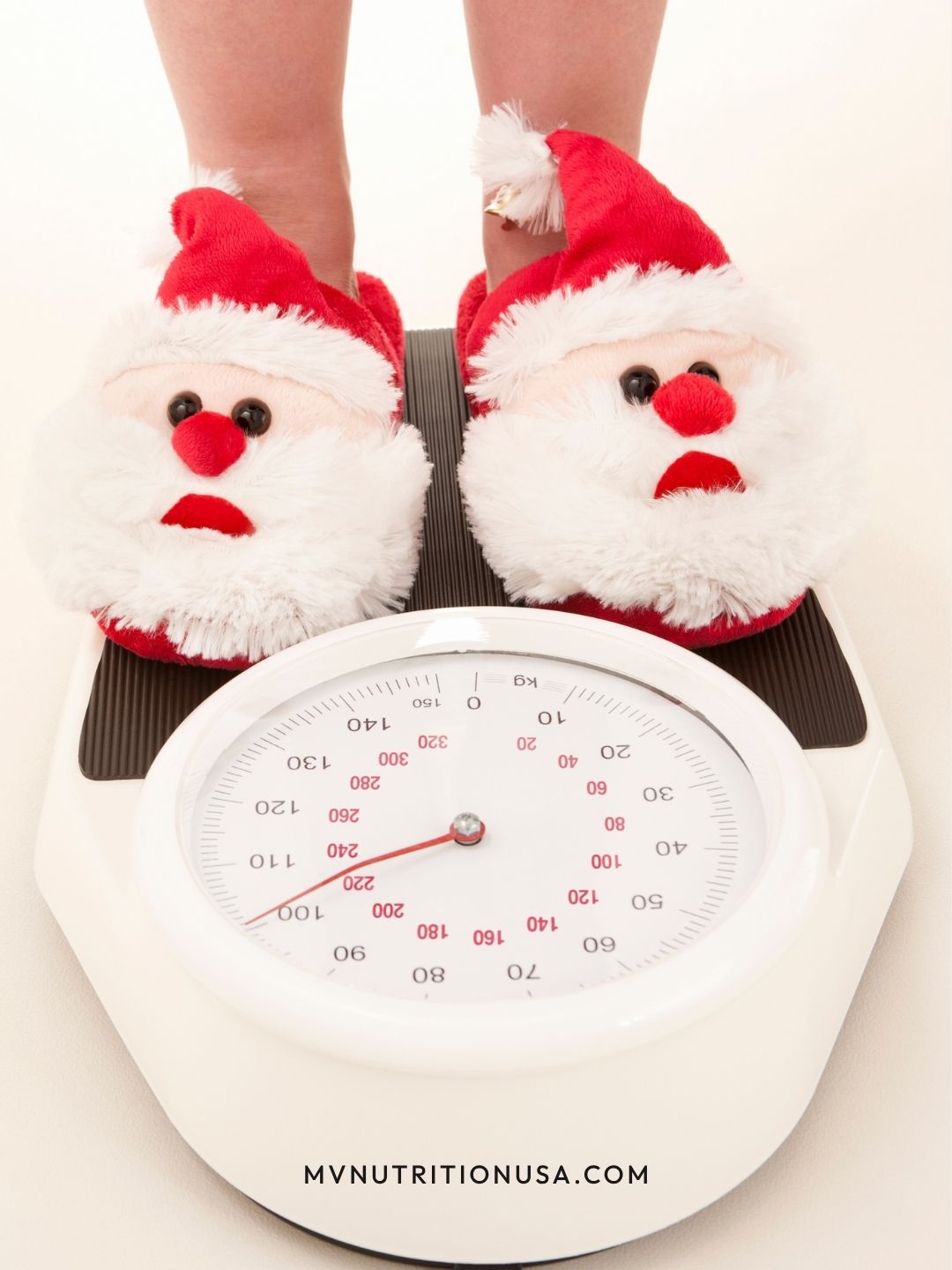
It’s common to notice short-term weight fluctuations after large meals, travel, or changes in training.
These changes do not necessarily represent body-fat gain.
Higher carbohydrate intake can increase glycogen storage, which is accompanied by water. Higher sodium intake may also temporarily affect fluid balance.
Food remaining in the digestive tract contributes to scale weight as well. Instead of reacting to a single measurement, focus on longer-term patterns and relevant performance indicators.
7. Adjusting nutrition during the off-season
For athletes transitioning into an off-season, training volume and energy expenditure may decrease. This can justify adjustments to carbohydrate and total energy intake.
However, the off-season is not automatically a period for aggressive calorie restriction.
It may be an important opportunity to:
- Recover from a demanding season
- Support muscle development
- Address nutritional deficiencies
- Restore energy availability
- Improve eating habits
- Prepare for the next training cycle
Nutrition should be periodized according to actual demands and individual goals.
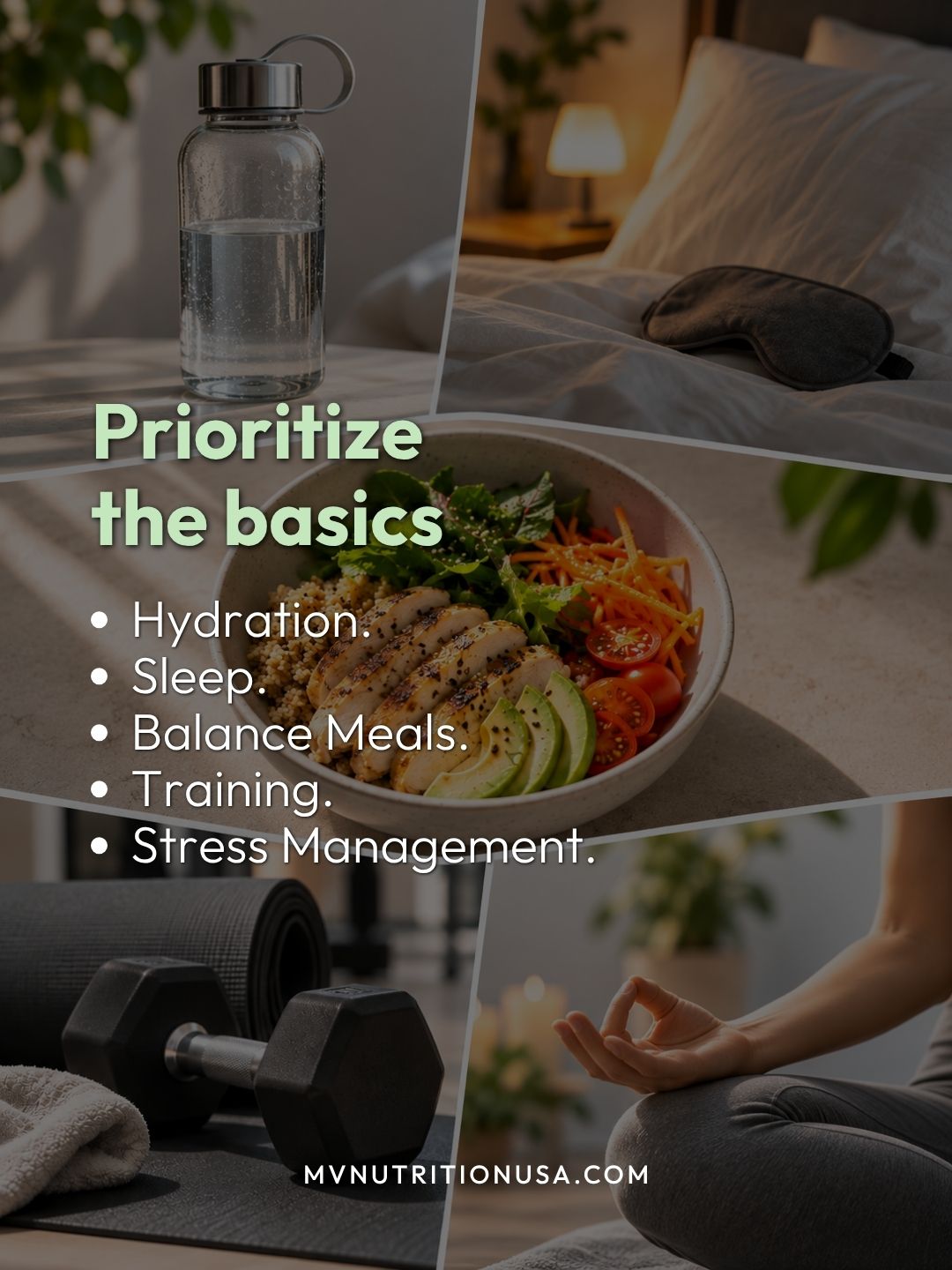
How MV NUTRITION helps athletes during the holidays.
At MVNUTRITION, we recognize that athletes don’t live in controlled laboratory conditions. They travel, attend celebrations, eat at restaurants, and experience changes in training schedules.
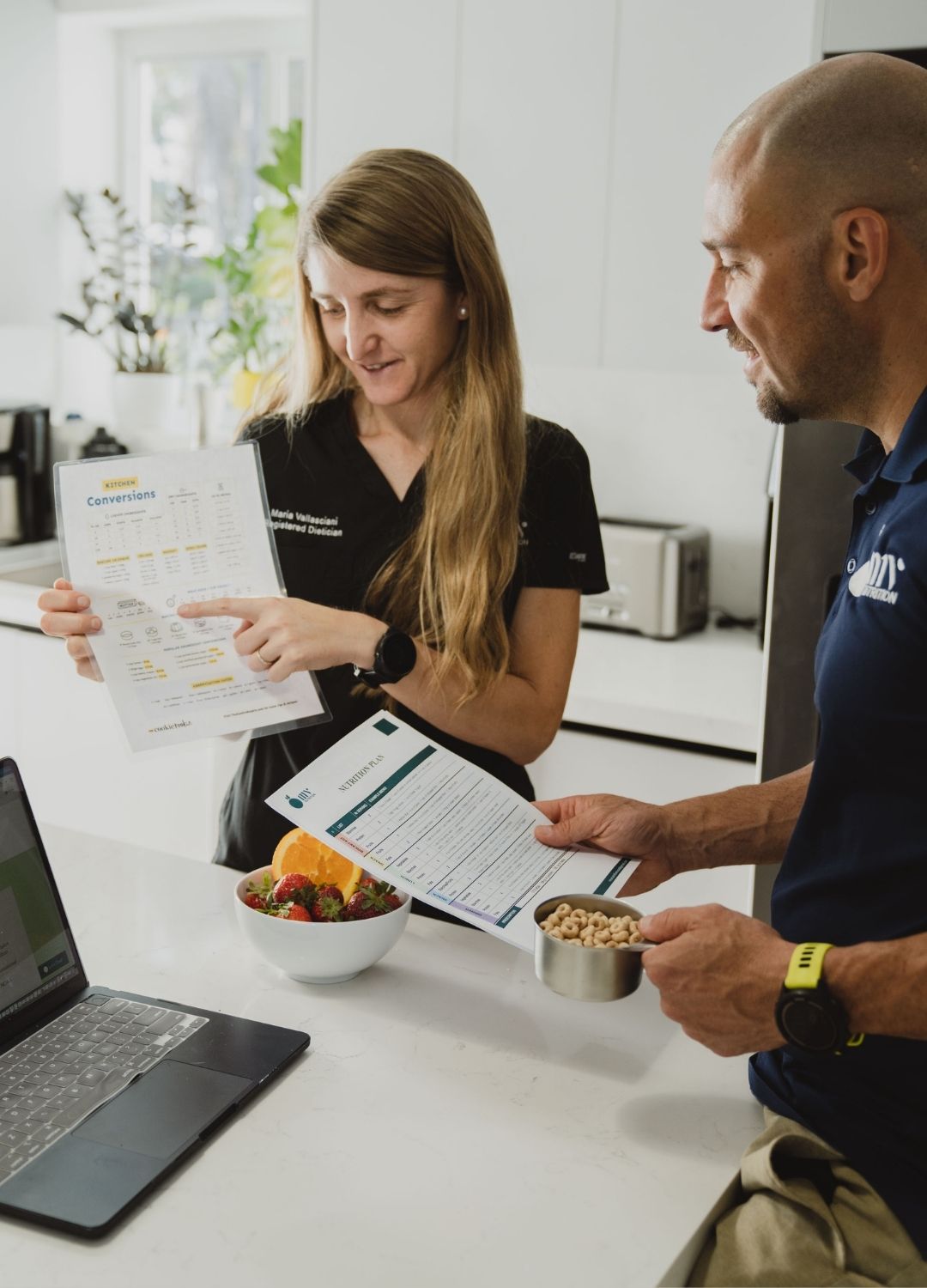
Our approach begins with understanding the athlete’s real-life needs. From there, we develop individualized strategies that may include holiday meal planning, training-day fueling, restaurant guidance, hydration, recovery nutrition, and adjustments between training phases.
Our goal is to help athletes make informed nutrition decisions without unnecessary restriction or food-related stress.
Want to navigate the holidays while continuing to support your performance and health?
MVNUTRITION offers individualized nutrition counseling for athletes and active individuals who want practical strategies that fit their training, goals, and lifestyle.
Visit mvnutritionusa.com to learn more about our services.