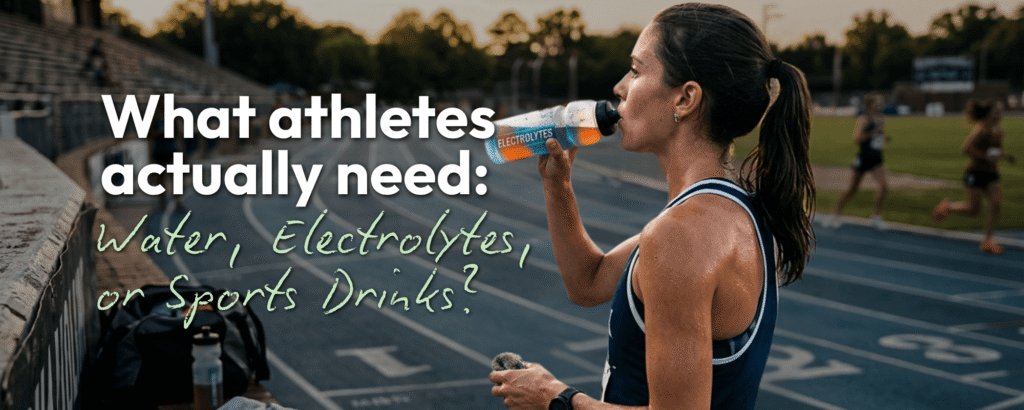
Electrolyte drinks, powders, tablets, and packets are everywhere. Some promise better hydration. Others claim to prevent cramps, improve endurance, or help you recover faster. But here is the truth: not every athlete needs the same hydration strategy.
Some athletes do well with water and regular meals. Others lose a lot of fluid and sodium through sweat and need a more specific strategy, especially during hot weather, long practices, tournaments, or endurance training. At MVNUTRITION, we help athletes stop guessing and learn what their bodies actually need to support energy, recovery, and performance.
What are electrolytes?
Electrolytes are minerals that help your body function properly. They support fluid balance, muscle movement, and nerve signals.
The main electrolytes include:
- Sodium
- Chloride
- Potassium
- Magnesium
- Calcium
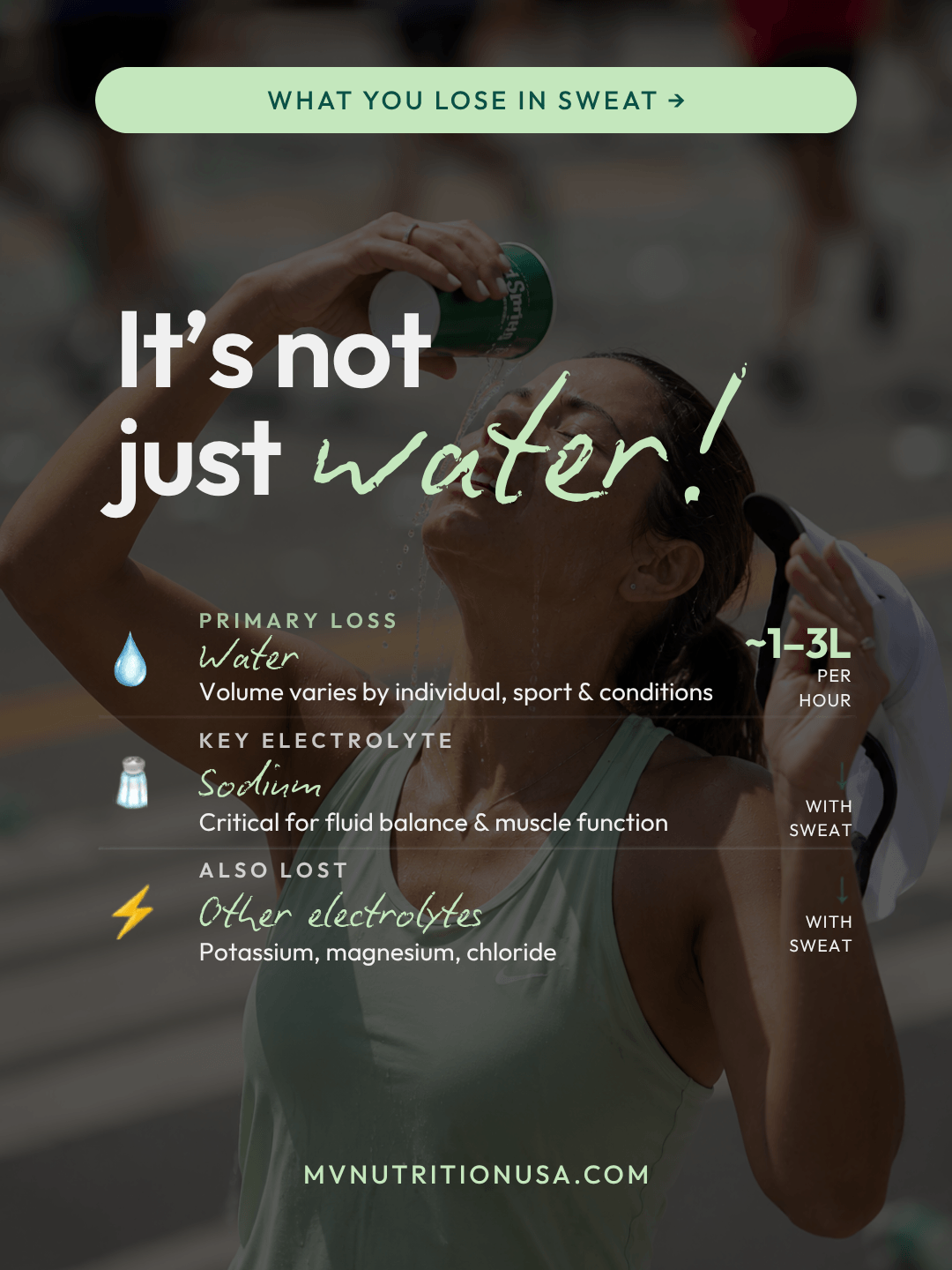
For athletes, the electrolyte that usually matters most during sweaty training is sodium.
Sodium helps your body hold onto fluid and replace what you lose in sweat. This is especially important during long, intense, or hot training sessions.
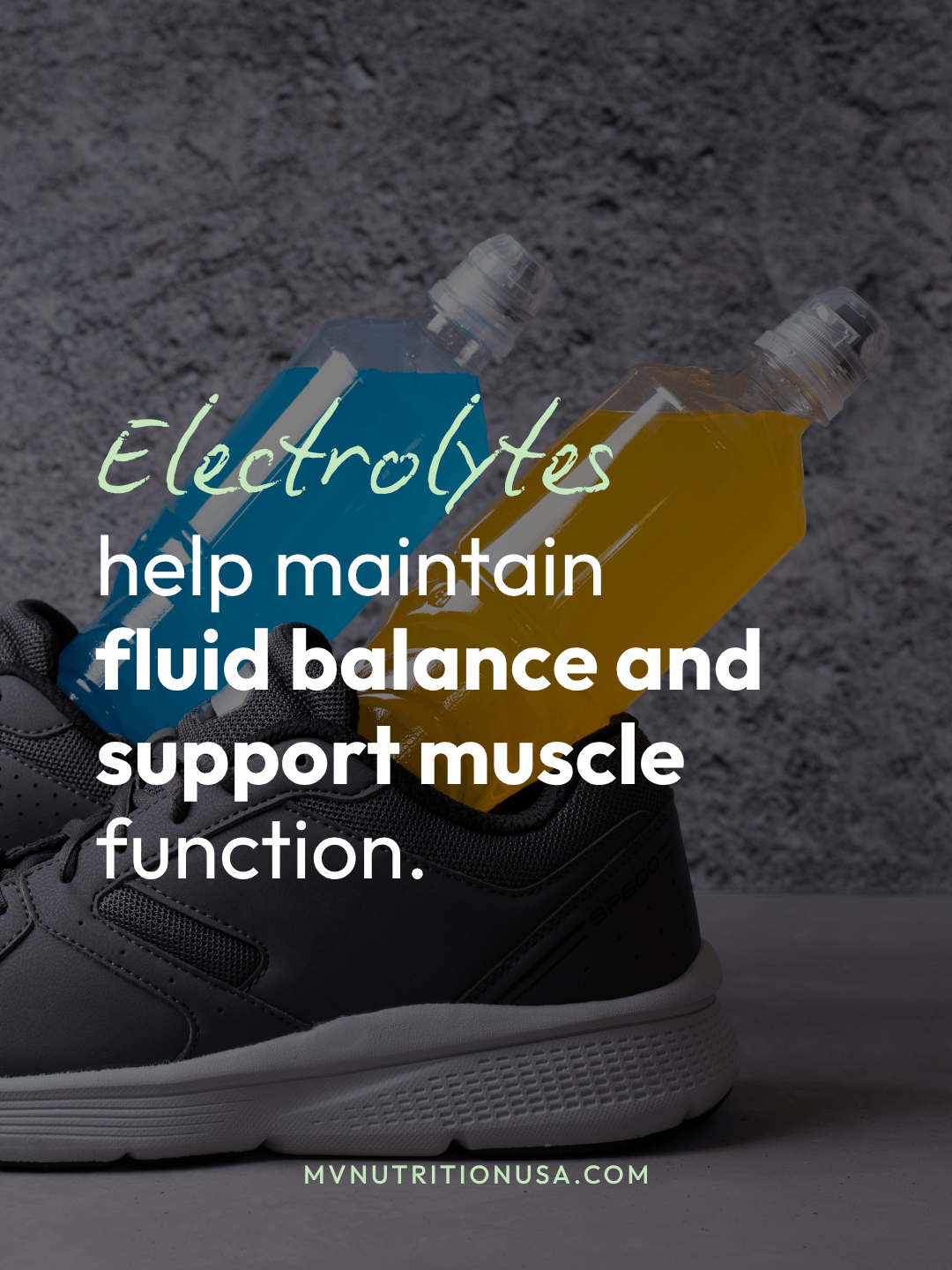
Sweat is not just water.
When you sweat, you lose both water and electrolytes. The amount you lose is different for every athlete.
Sweat losses can depend on:
- Body size
- Genetics
- Fitness level
- Training intensity
- Exercise duration
- Heat and humidity
- Clothing, uniforms, or equipment
- How salty your sweat is
This is why one athlete may do fine with water, while another may need more sodium during the same practice.
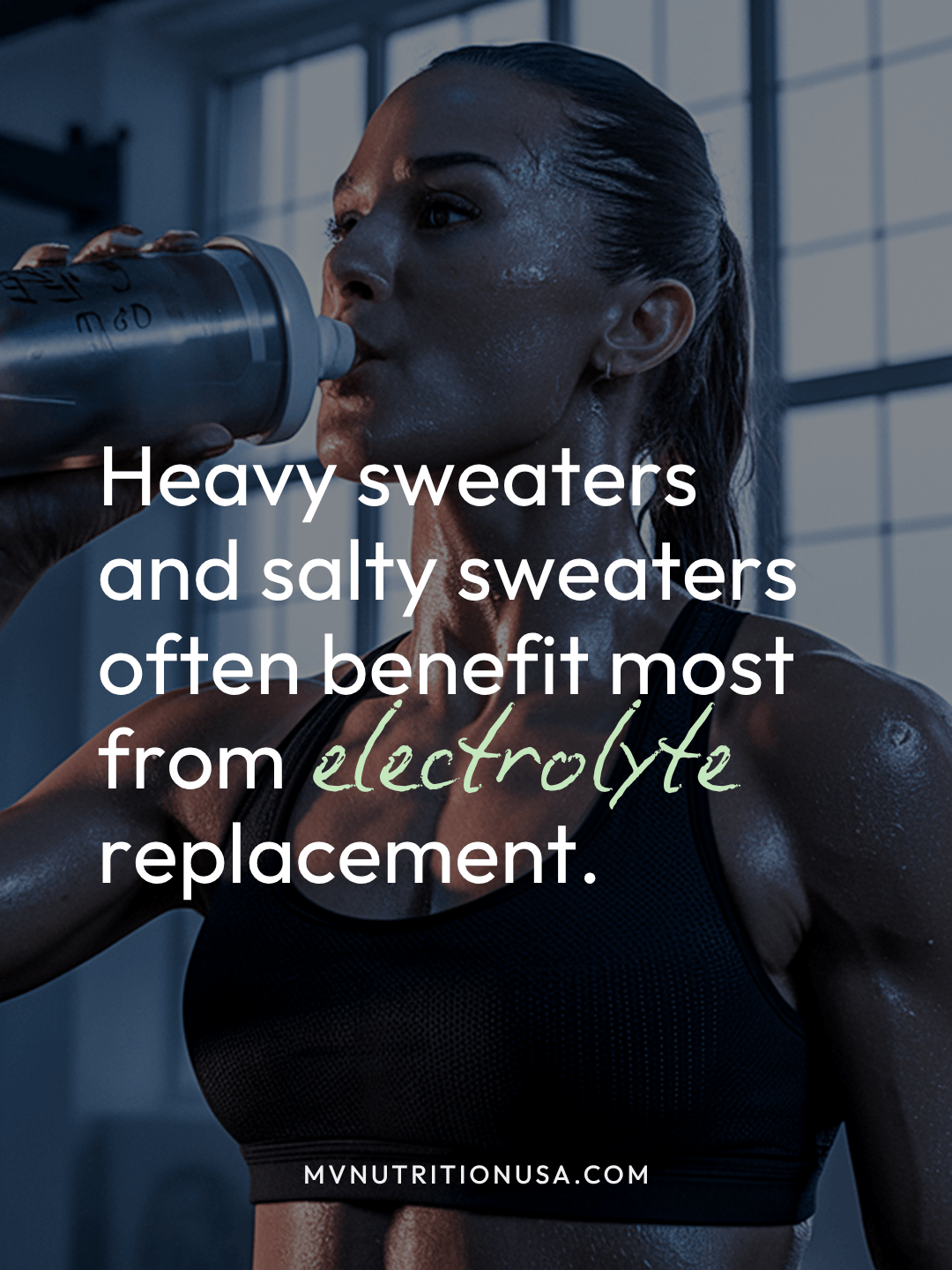
Are you a salty sweater?
Some athletes lose more sodium in sweat than others. These athletes are often called “salty sweaters.”
Signs you may be a salty sweater include:
- White salt marks on clothes or hats
- Salt crystals on your skin
- Sweat that burns your eyes
- Craving salty foods after training
- Frequent headaches after sweaty workouts
- Feeling completely wiped out after hot sessions
- Cramping during long or intense training
If this sounds familiar, your hydration plan may need more than plain water.
How electrolytes affect performance?
When you do not replace enough fluid and sodium, your body may struggle to keep up with training demands. You may notice: lower energy, reduced power, higher heart rate, poor focus and headaches, inadequate recovery.
Sometimes athletes think they are out of shape, when the real issue is that their hydration and fueling plan does not match their sweat losses.
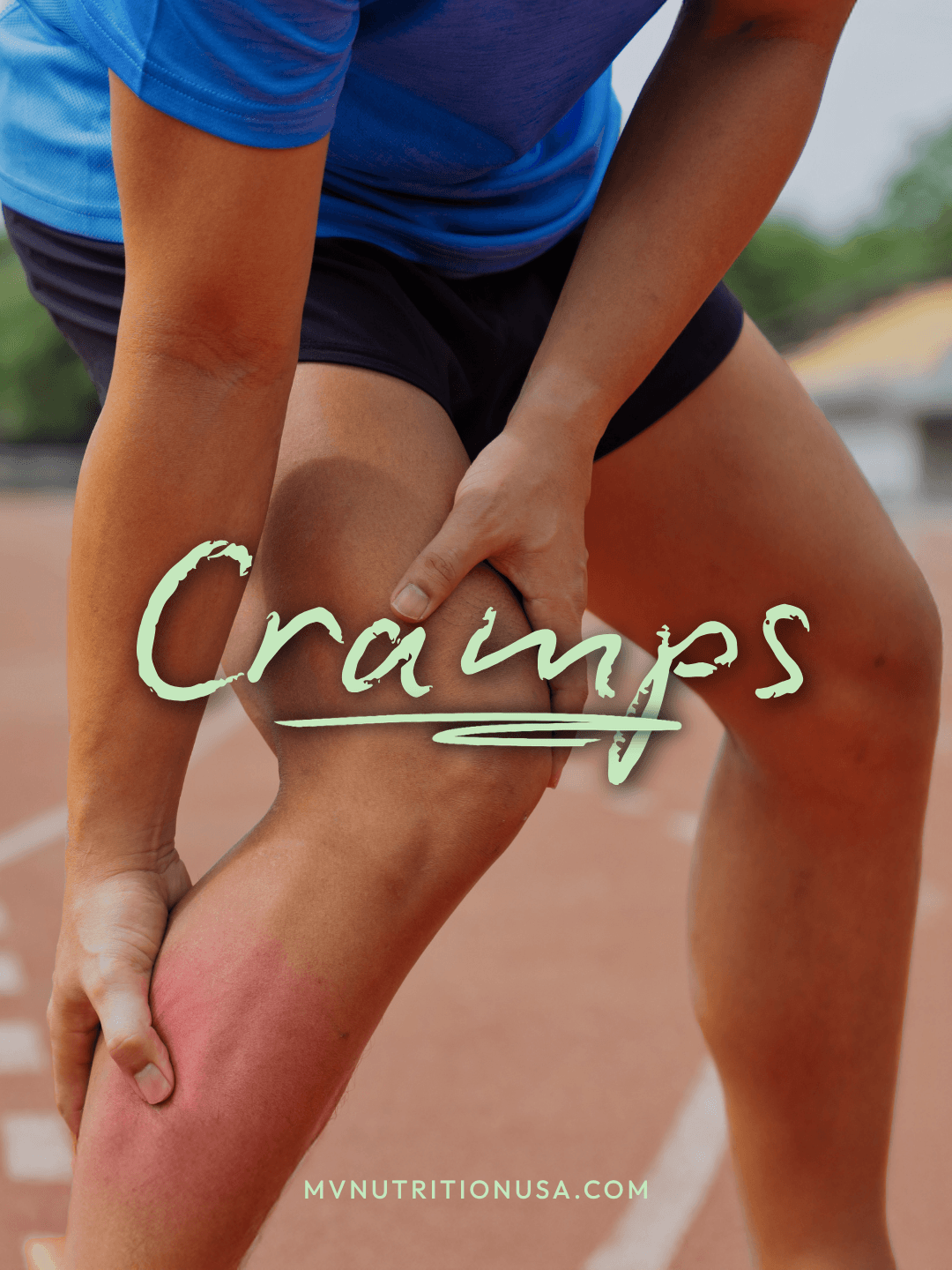
Do electrolytes prevent cramps?
This is one of the most common questions athletes ask.
The answer is: they can help some athletes, but they do not fix every cramp.
Cramps can happen for many reasons, including: fatigue, heavy training load, heat exposure, dehydration, sodium losses, lack of carbs, poor recovery, and sustaining training efforts above what the body is accustomed to.
Electrolytes may help athletes who sweat heavily or lose a lot of sodium, especially during long or hot sessions. But if cramps keep happening, it is important to look at the full picture.
That includes hydration, sodium, fueling, training load, recovery, and how well your stomach tolerates sports products.
When athletes may need electrolytes?
We believe in South Florida, athletes may always need to add some source of electrolyte but it will all depend on how capable you are to replace fluid firsts.
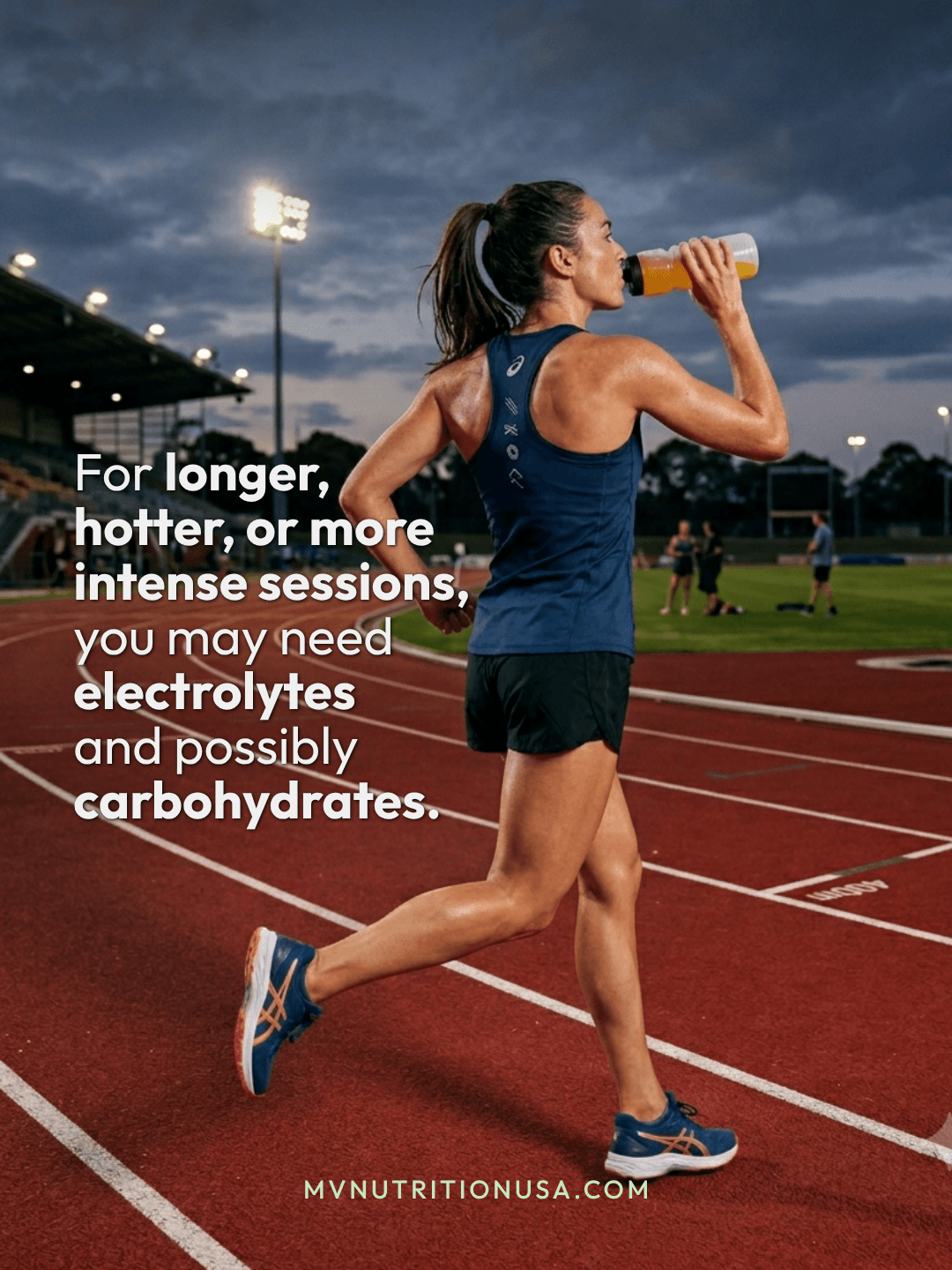
Electrolytes may be helpful when exercise is:
- Longer than 60–90 minutes
- Intense
- Outdoors in the heat
- Very sweaty
- Done more than once per day
- Part of a tournament
- Part of a race or endurance event
- Done in uniforms, pads, helmets, or heavy gear
Athletes may also need electrolytes if they finish training with headaches, salt stains, cramps, dizziness, or extreme fatigue.
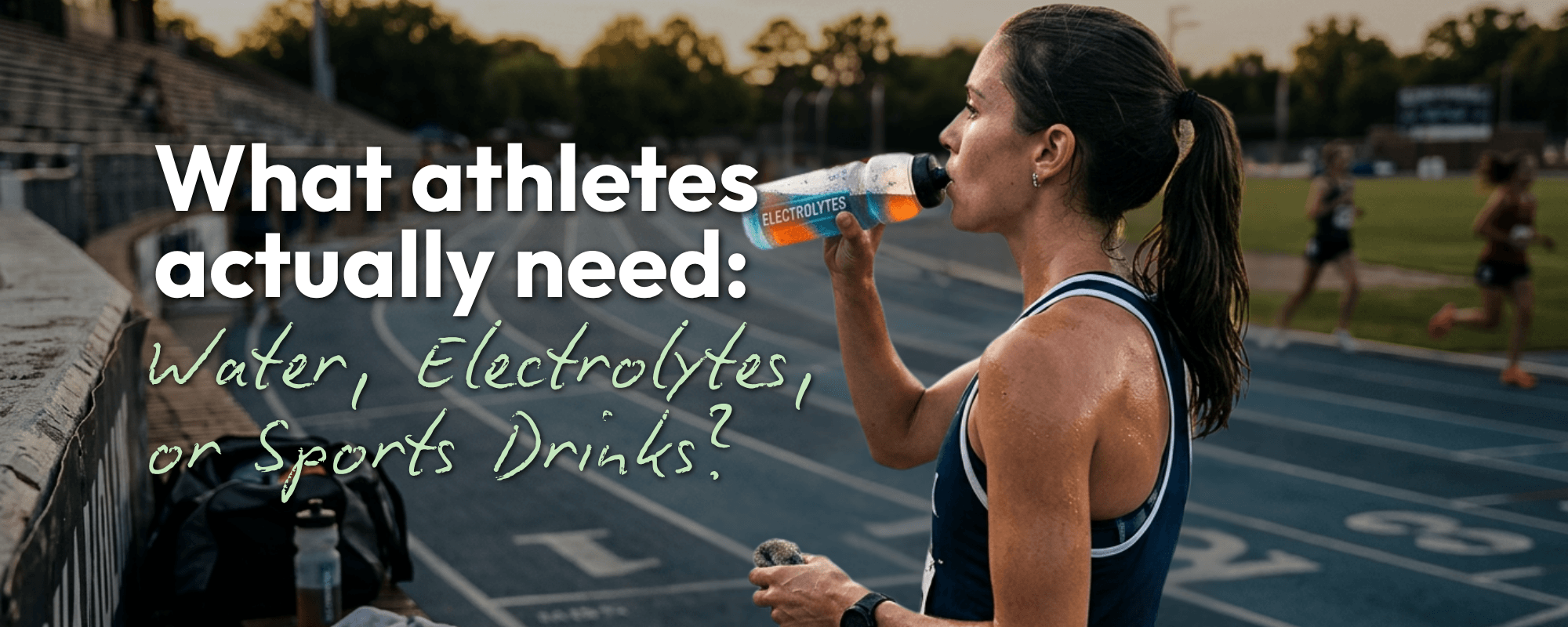
Electrolytes vs. Sports drinks
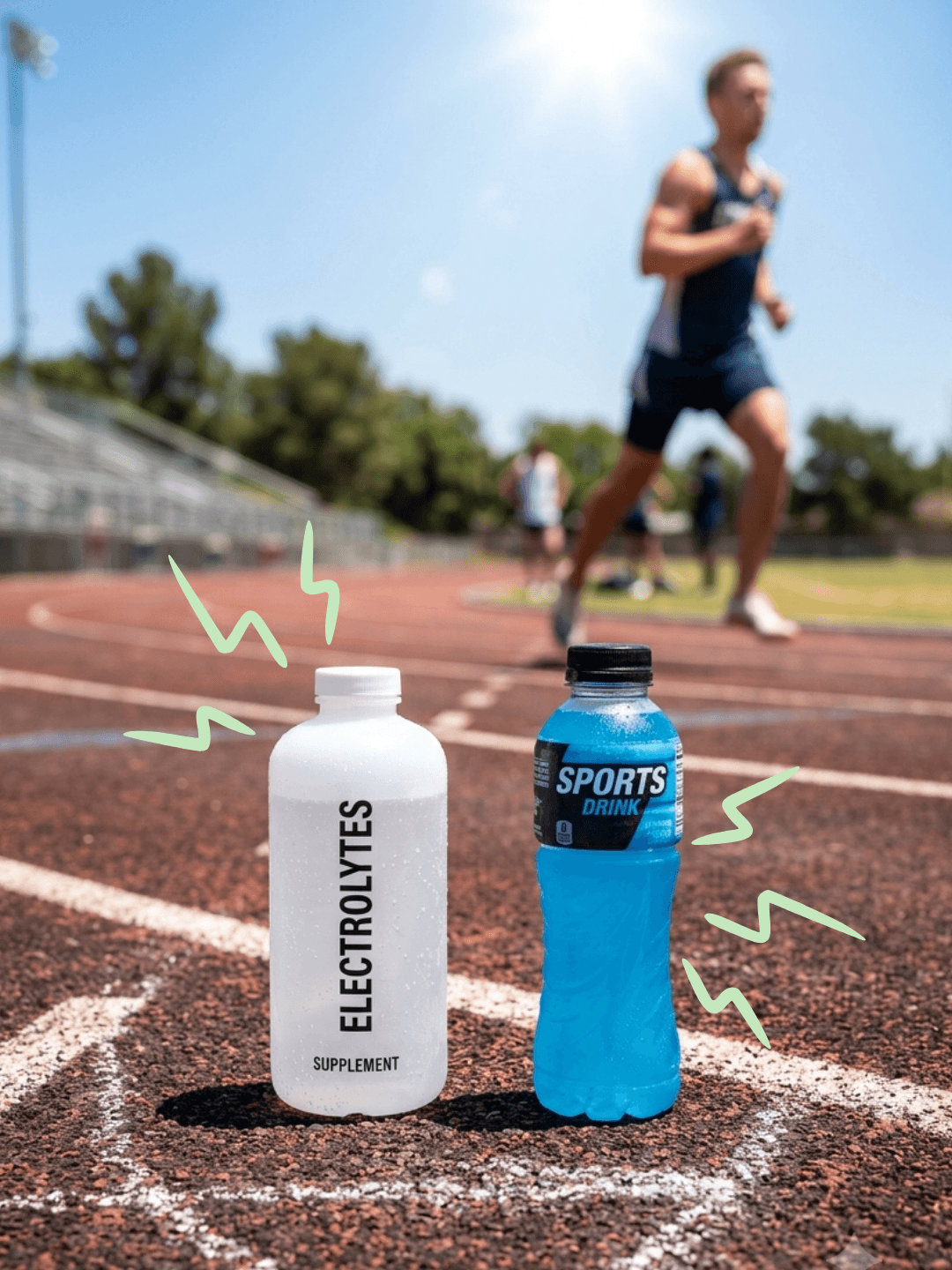
Not all hydration products do the same thing.
Some electrolyte products provide sodium but little or no carbohydrate. These may help with hydration but may not provide enough energy for longer or harder sessions.
Sports drinks usually provide:
- Fluid
- Sodium
- Carbohydrates
This can be helpful when athletes need both hydration and fuel such as in longer or more intense training sessions. The right choice depends on the athlete, sport, duration, intensity, weather, and stomach tolerance.
What to look for in an electrolyte product?
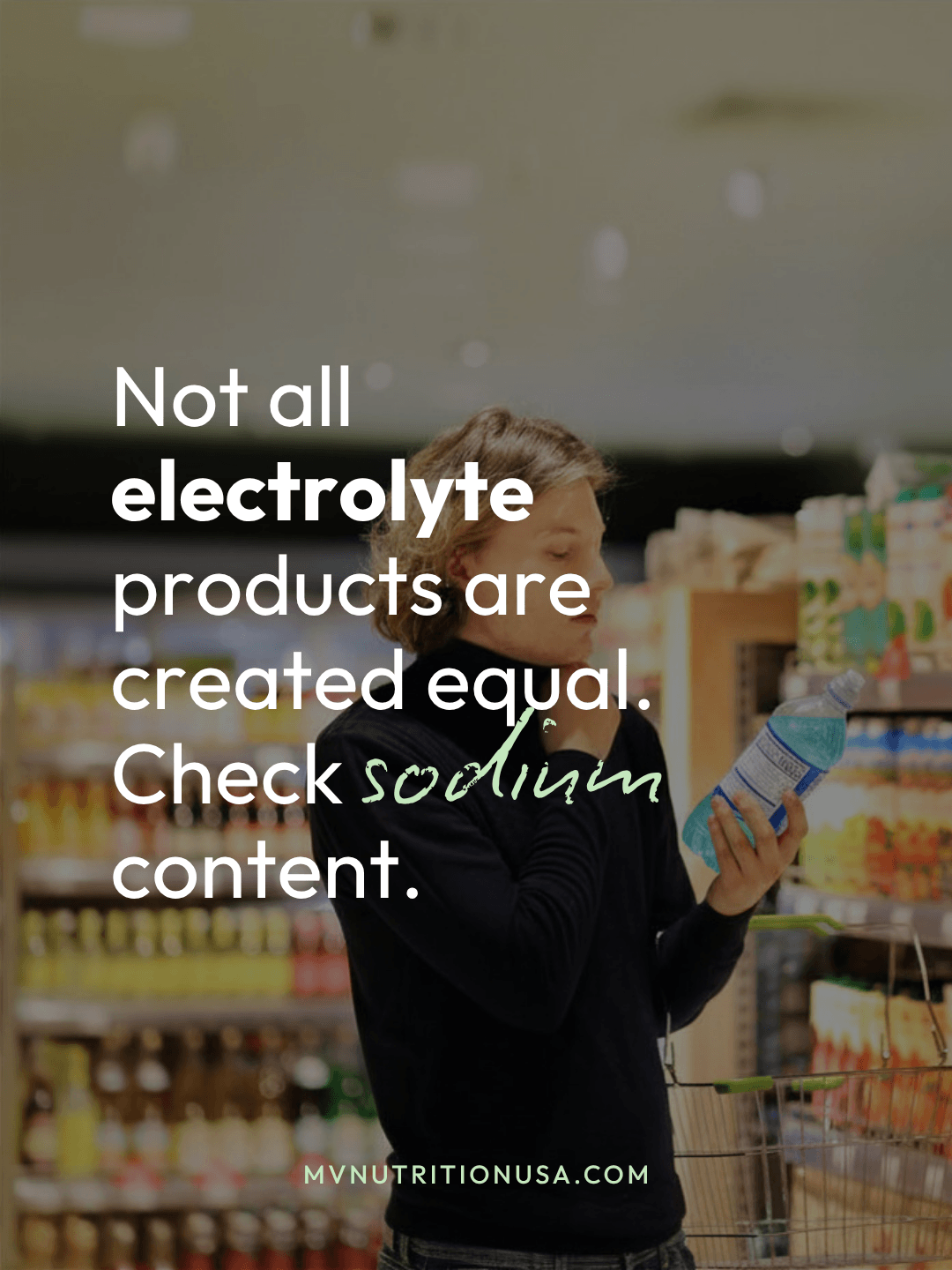
Before buying another electrolyte powder, tablet, or drink, check the label.
Sodium
For athletes, sodium is usually the most important electrolyte to check. Some drinks taste good but do not provide enough sodium for heavy sweaters.
Carbohydrates
If training is long or intense, carbohydrates may be helpful for energy. If the workout is short or easy, you may not need a drink with carbs.
Serving size
Some products only provide enough electrolytes if you use multiple scoops, tablets, or packets.
Stomach tolerance
Some athletes get bloating, nausea, or stomach cramps from certain drinks. This can happen if the drink is too concentrated or contains ingredients that do not sit well.
Common electrolyte mistakes athletes make.
1. Choosing a product because it is popular
Trendy does not always mean effective.
2. Using a low-sodium drink during heavy sweat sessions
Some products do not provide enough sodium for athletes who sweat a lot.
3. Forgetting about fuel
For long or intense exercise, athletes may need carbohydrates, not just electrolytes.
4. Drinking electrolytes all day without a reason
Electrolytes should match your training, sweat losses, and overall diet. Also the body can compensate, it will get rid of excessive electrolytes.
5. Ignoring stomach symptoms
If your drink causes nausea, bloating, or cramps, it may not be the right formula, timing, or concentration for you.
Practical electrolyte guide
→ Short workouts under 60 minutes
Water is usually enough. Unless you train in VERY HOT/HUMID weathers.
→ Training 60–90 minutes in hot weather
Water may be enough for some athletes, but electrolytes may help if you sweat heavily.
→ Long sessions over 90 minutes
You may need a planned strategy with fluid, sodium, and carbohydrates.
→ Multiple games or practices in one day
Hydration should be planned before, during, between, and after each session.
→ Salty sweaters
You may need a higher-sodium strategy, especially during hot or long training sessions.
Why personalization matters?
Two athletes can do the same workout, in the same weather, for the same amount of time, and lose completely different amounts of fluid and sodium. That is why copying a teammate’s bottle may not work.
A personalized plan can help answer:
- How much should I drink?
- Do I need electrolytes?
- How much sodium do I need?
- Should my drink include carbohydrates?
- What should I use during games or races?
- How do I avoid stomach issues?
- How do I recover better after training?
How MV NUTRITION can help?
At MVNUTRITION, we create practical, evidence-based hydration and fueling plans for athletes. Our goal is to help athletes train harder, tolerate heat better, recover faster, and perform with confidence.
Stop guessing. Start hydrating with purpose!
If you are tired of guessing what to drink, dealing with cramps, feeling wiped out after practice, or buying products that do not seem to help, MV NUTRITION can help. Book a sports nutrition consultation with MV NUTRITION and learn exactly what your body needs before, during, and after training.