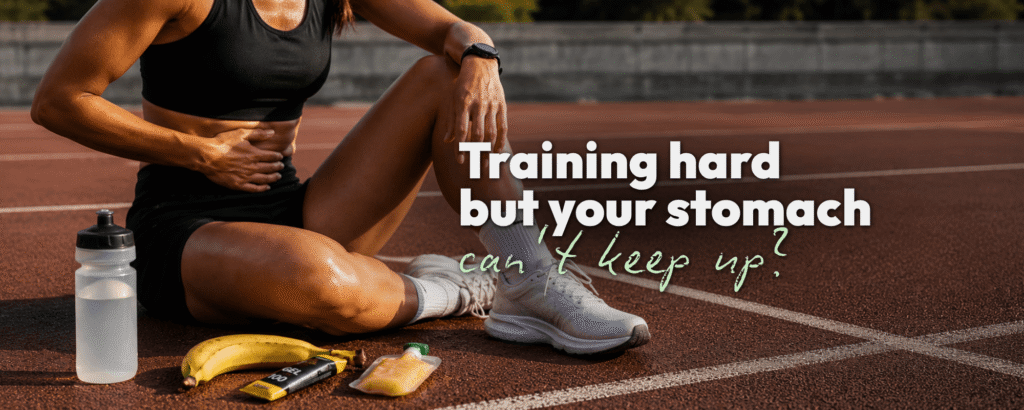
What you eat is important, but when and how you eat around training is just as critical. Poor meal timing and composition are among the leading causes of GI distress in athletes, especially during high-intensity or long-duration efforts. The goal is simple: Fuel performance while minimizing gastrointestinal stress.
Key Principles of GI-Friendly Fueling
GI symptoms during exercise are multifactorial, with three primary mechanisms:
1. Control Meal Timing
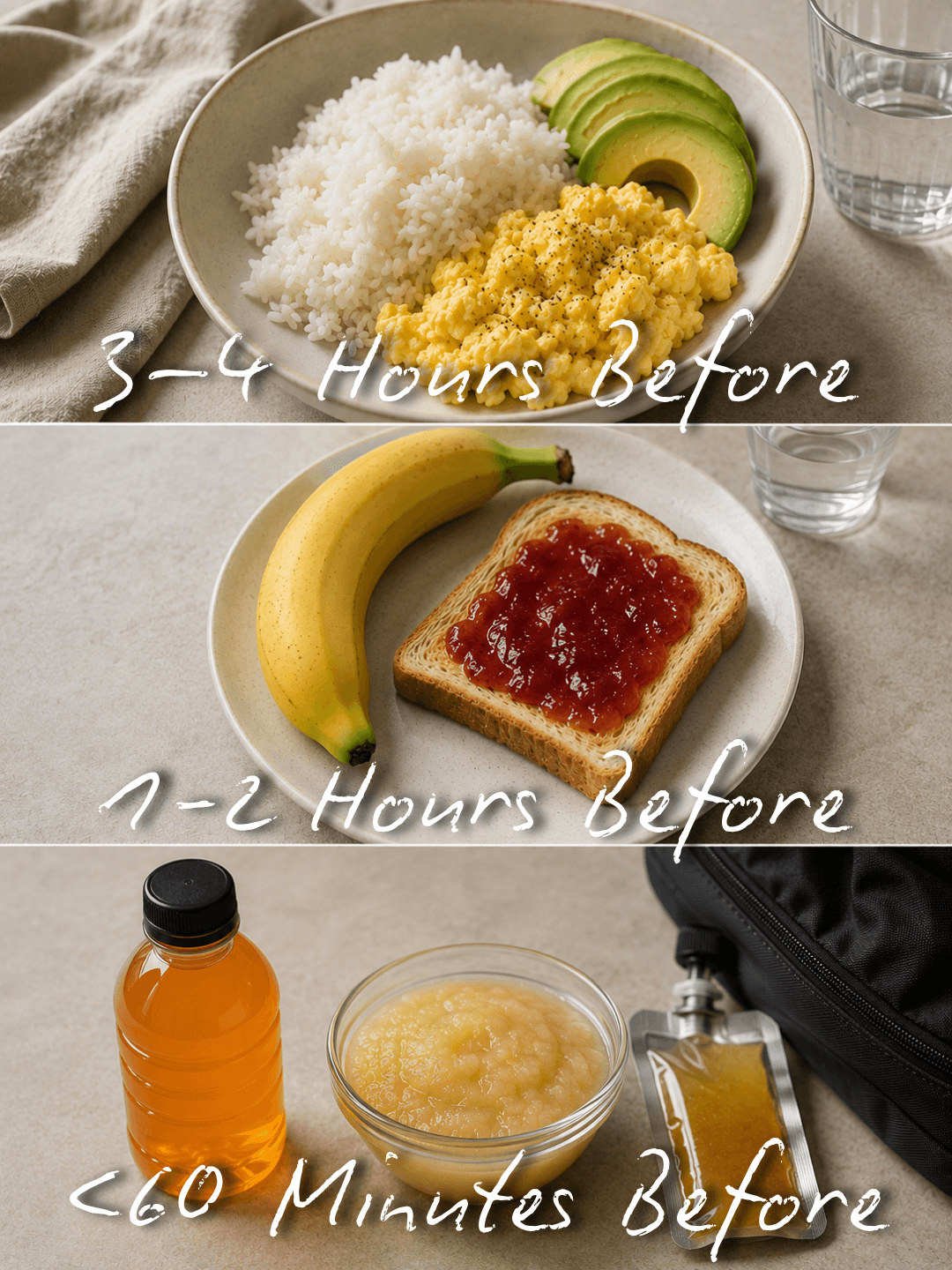
- 3–4 hours before: balanced meal
- 1–2 hours before: small, low-fiber snack
- <60 minutes before: simple carbohydrates if needed
2. Reduce Digestive Load Pre-Exercise
Before training or racing:
- Lower fiber
- Lower fat
- Moderate protein
Why? These nutrients slow gastric emptying and can increase symptoms.
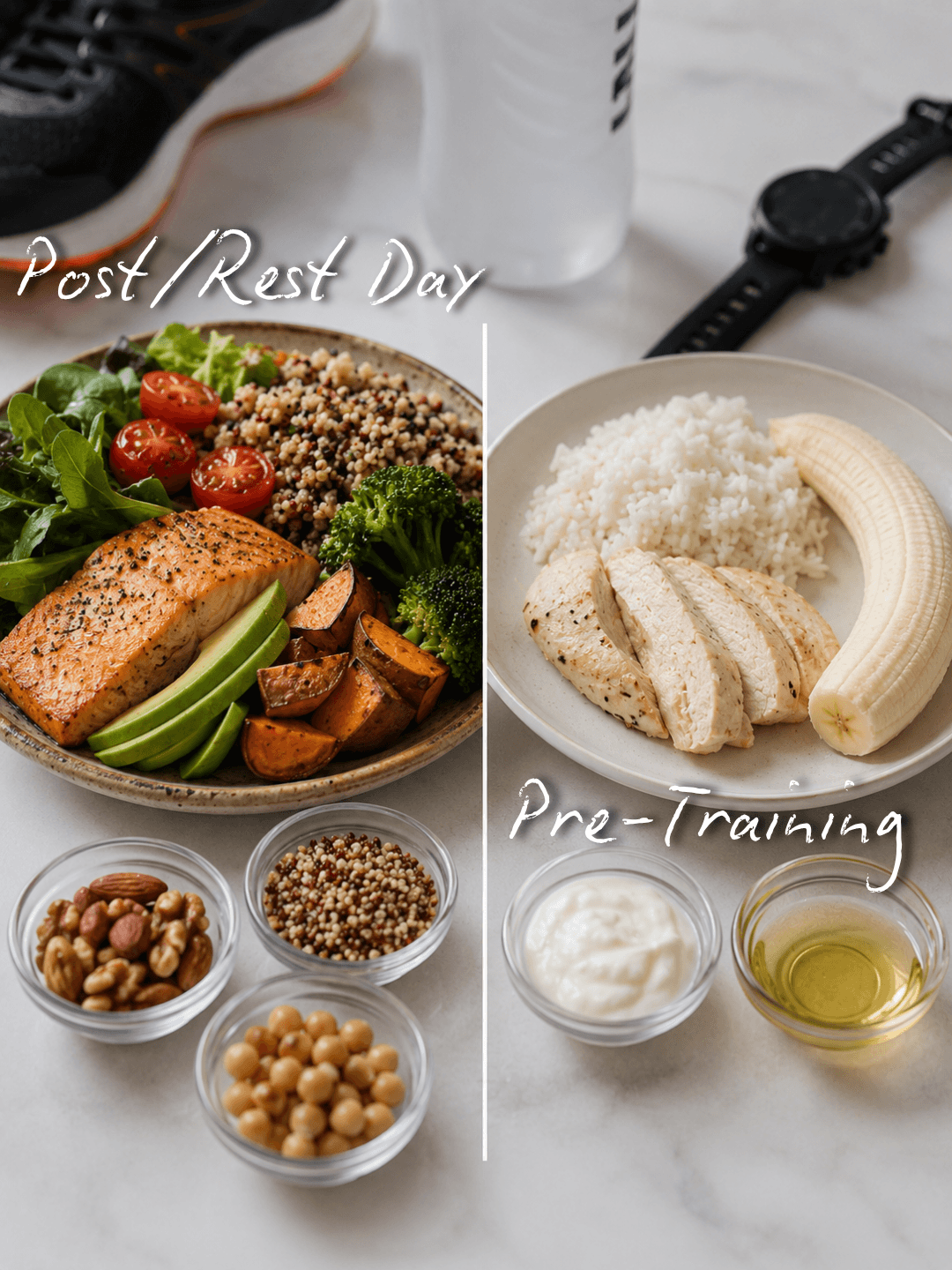
Pre-Training Meal Guidelines
3–4 Hours Before
Include:
- Carbohydrates (primary fuel)
- Moderate protein
- Low fat and fiber
Example: White rice + eggs + small portion of avocado
1–2 Hours Before
Keep it light and simple:
- Easily digestible carbs
- Minimal fat/fiber
Example: Banana + toast with jam
<60 Minutes Before
Optional quick fuel:
- Sports drink
- Applesauce
- Gel
During Training & Competition
Carbohydrate Intake
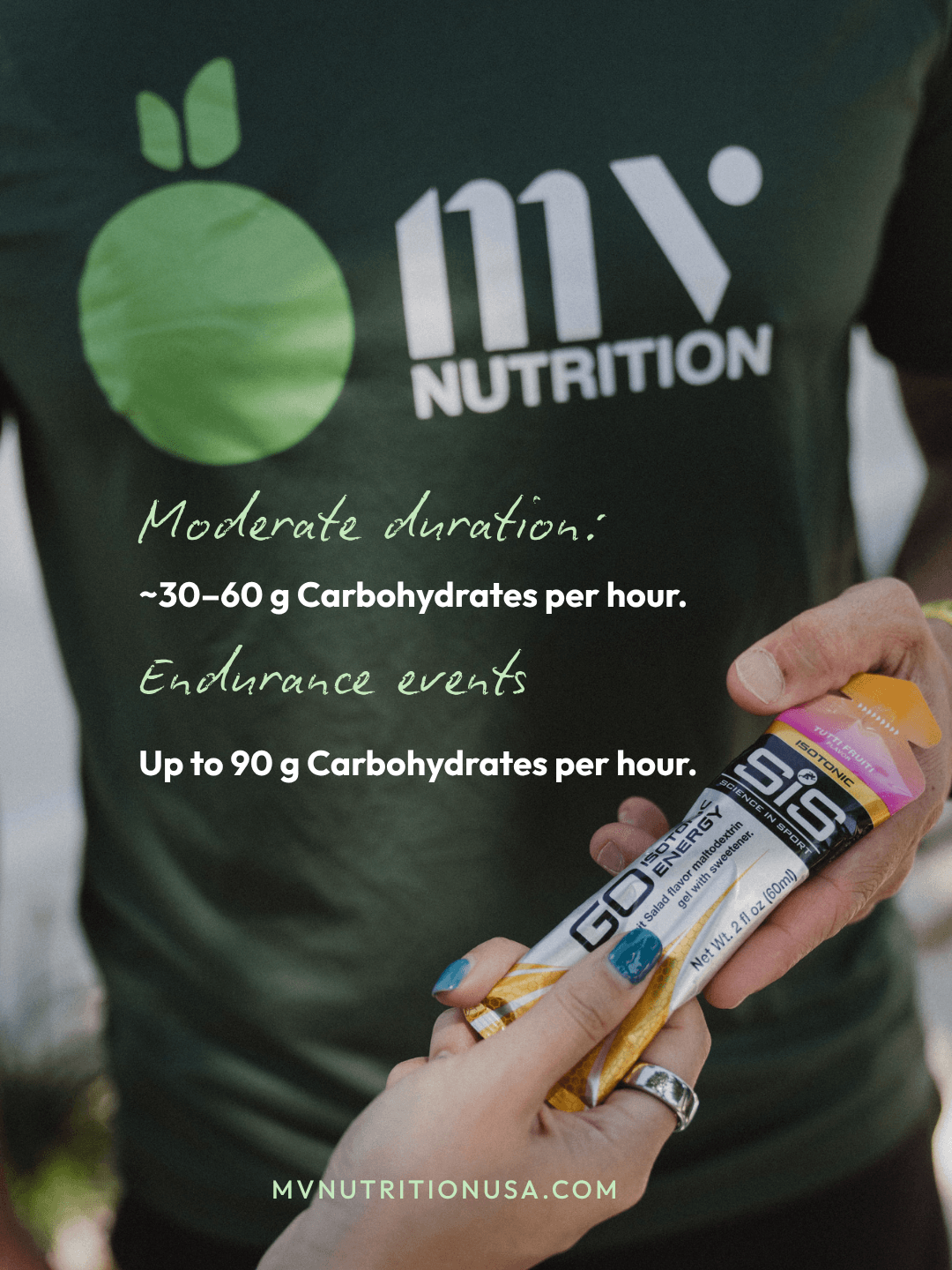
- 30–60 g/hour (moderate duration)
- Up to 90 g/hour (endurance events)
Use:
- Sports drinks
- Gels
- Low-fiber solids
Fluid & Electrolytes
- Individualize based on sweat rate
- Include sodium to support absorption and hydration
Post-Training Nutrition
Focus on:
- Carbohydrates for glycogen restoration
- Protein (20–40 g) for recovery
- Rehydration
Fiber can be reintroduced here to support gut health.
Race Day Nutrition Strategy
Avoid common mistakes:
- Trying new foods or products
- Increasing fiber intake
- Overloading carbohydrates last minute
Instead:
- Replicate training nutrition
- Stick to familiar foods
- Maintain consistent timing
Special Considerations
Heat
- Increases GI stress
- Requires more fluids and sodium
High Intensity
- Greater risk of GI symptoms
- Requires simpler fueling strategies
Sensitive Athletes
May benefit from:
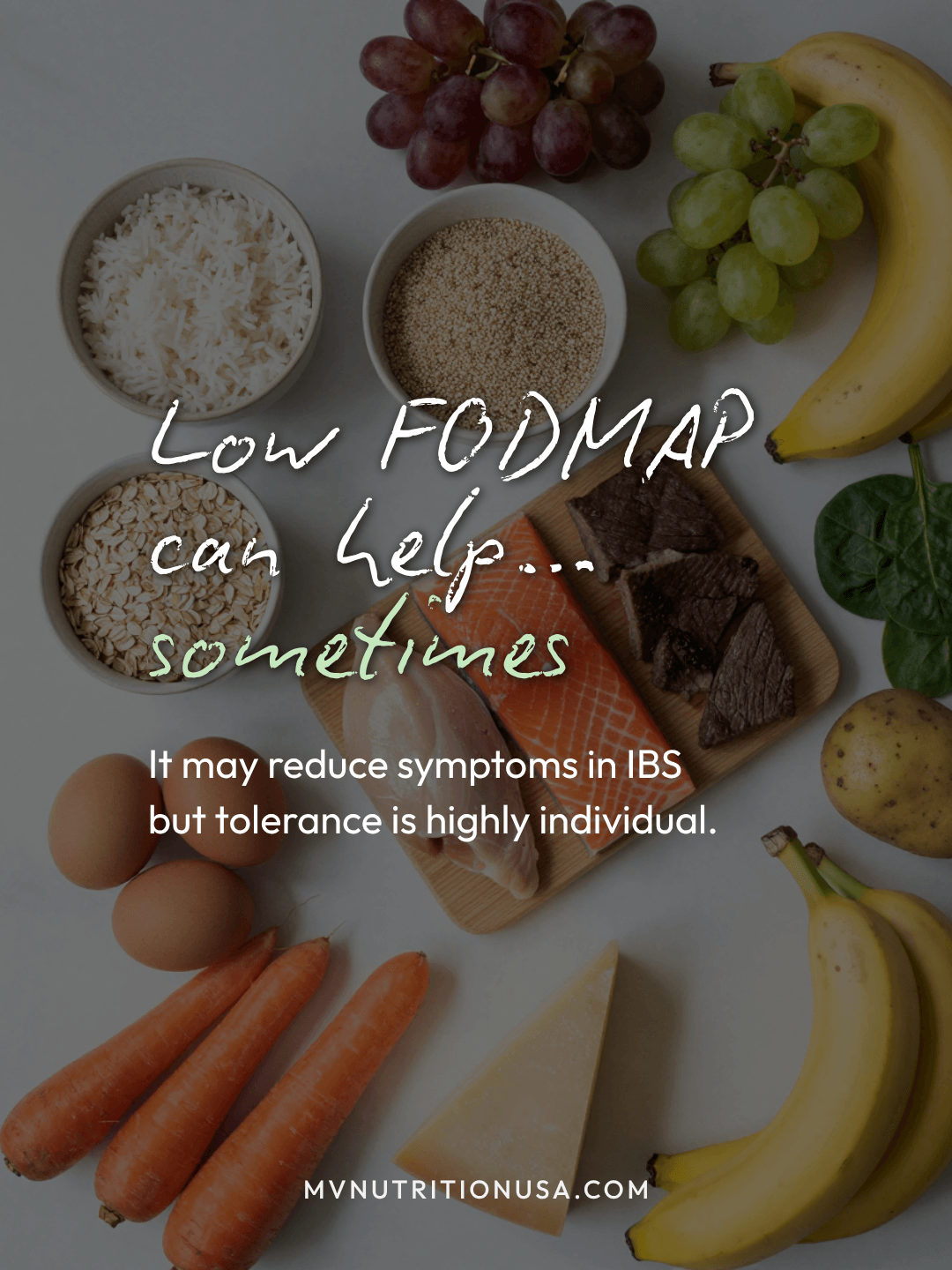
- Low FODMAP approach (short-term)
- More liquid-based fueling
Practical meal adjustment checklist.
- Plan meals 3–4 hours before training
- Reduce fiber pre-session
- Limit fat intake before exercise
- Hydrate consistently with electrolytes
- Practice your fueling strategy
- Avoid new foods on race day
- Train your gut just like your muscles
Optimizing meal timing and composition is one of the most powerful and overlooked tools for performance. At MVNUTRITION, we design personalized fueling strategies that align with your training, your gut, and your goals.
Book your consultation and learn how to fuel smarter, perform better, and feel stronger every session.