
Iron
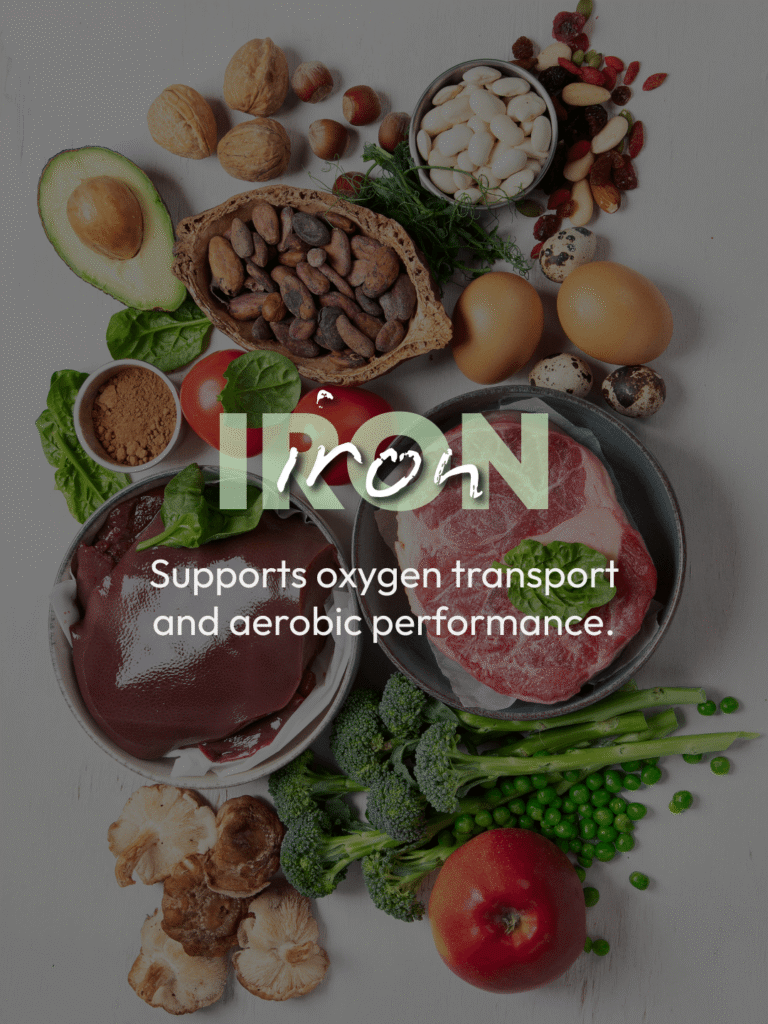
Iron is essential for oxygen transport and energy production. Low iron stores (Ferritin) can present as fatigue, poor training tolerance, and declining performance before anemia is identified.
Key food sources include red meat, poultry, fish (heme iron, better absorbed), and plant sources like lentils, beans, tofu, spinach, and fortified grains (non-heme iron, absorption enhanced with vitamin C).
How much do we need? The RDA is 8 mg/day for men and 18 mg/day for premenopausal women however at MVNUTRITION we believe that checking levels, assessing risk factors and nutrition intake might guarantee the need to optimize intake. From a performance standpoint, many sports medicine programs aim for serum ferritin ≥40–50 ng/mL with new research going up to 70 ng/mL.
What do we do if reserves are low? Treatment focuses on increasing iron-rich foods and, when deficiency is confirmed by blood work, and iron supplementation under medical supervision.
Vitamin D
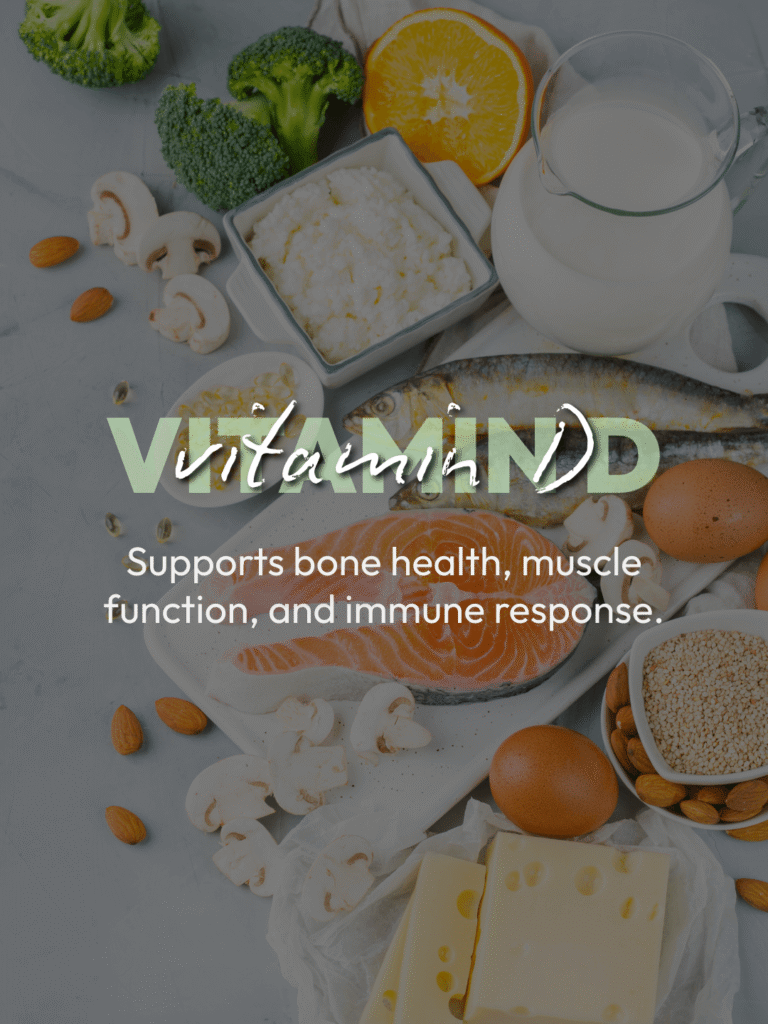
Vitamin D plays a central role in bone health, muscle function, immune defense, and may influence injury risk. Low vitamin D status is common in athletes due to limited sun exposure, indoor training, skin pigmentation, and geographic location. Even those athletes who live in the Sunshine State have low levels of vitamin D!
At MVNUTRITION we work with vitamin D prophylactic supplementation as we aim to keep levels above 50 ng/dL, ideally > 75 ng/dL! Food sources include fatty fish (salmon, sardines), egg yolks, and fortified dairy or plant milks, though diet alone often falls short.
When deficiency or insufficiency is present, vitamin D3 supplementation is commonly used, with dosing guided by baseline levels and follow-up labs. Repletion is typically reassessed after 8–12 weeks!
Calcium
Calcium is critical for bone mineral density, muscle contraction, and nerve signaling, and inadequate intake increases the risk of stress fractures and bone injuries. Primary sources include dairy products, fortified plant milks, calcium-set tofu, sardines with bones, and some leafy greens (such as kale and bok choy).
The recommended intake is 1,000 mg/day for most adults and 1,300 mg/day for adolescents. Deficiency management focuses on improving dietary intake across meals, ensuring adequate total energy intake, and supporting calcium absorption with sufficient vitamin D levels.
Supplements may be used when dietary intake is consistently inadequate but should not replace food-based strategies.

Magnesium
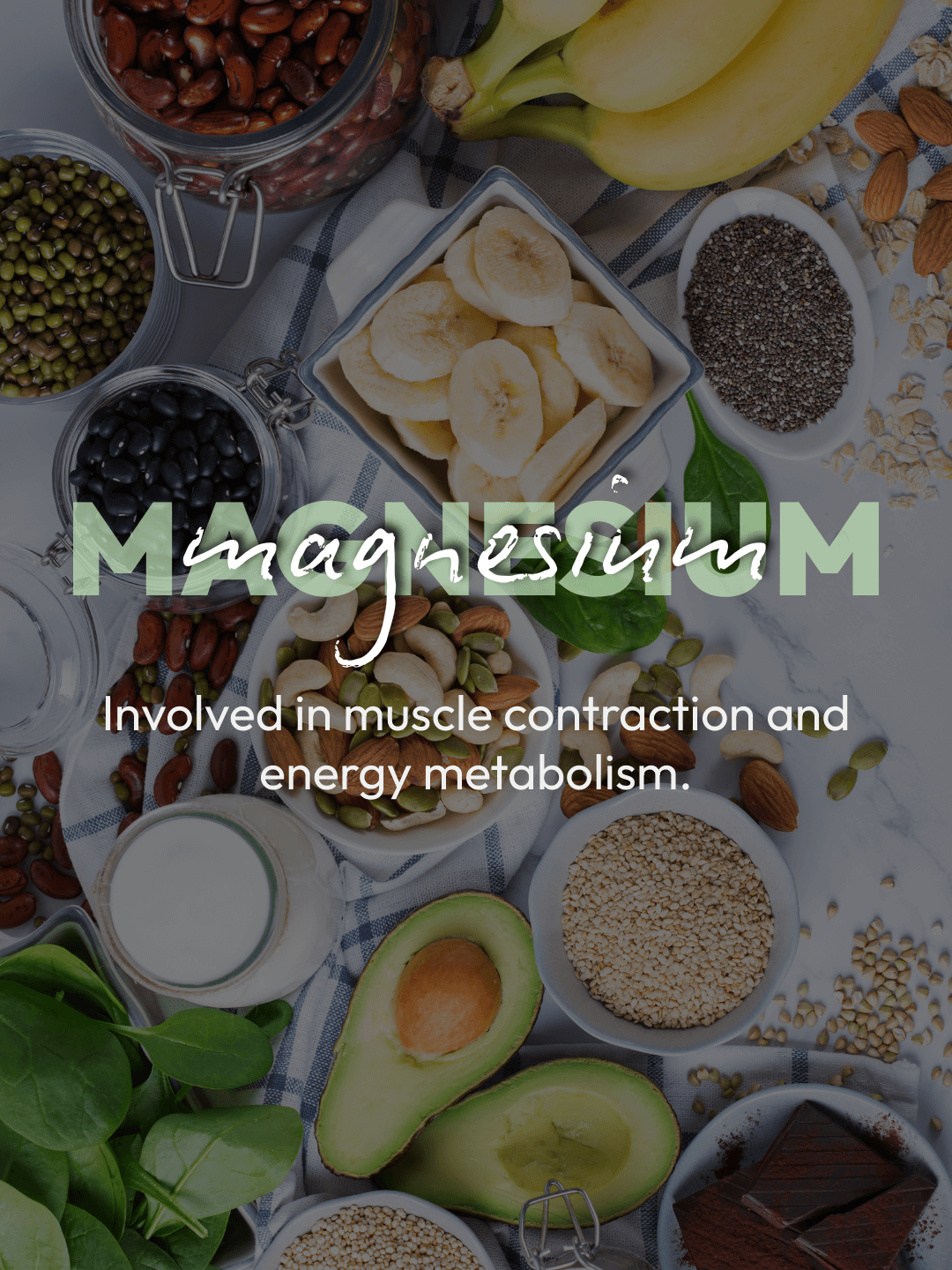
Magnesium supports muscle contraction and relaxation, energy metabolism (ATP production), and neuromuscular function.
Suboptimal intake may contribute to fatigue, impaired recovery, and muscle cramping, particularly in athletes with high sweat losses or low intake of whole foods. Rich food sources include nuts, seeds, legumes, whole grains, leafy greens, and dark chocolate.
Recommended intakes are 400–420 mg/day for men and 310–320 mg/day for women. Treatment for low intake emphasizes improving dietary sources, with supplementation considered when intake is low or symptoms and clinical assessment suggest insufficiency. There are multiple forms of Magnesium in the market so it can get confusing.
Our athletes work a lot with Magnesium Glycinate to aid with sleep and recovery!
Zinc
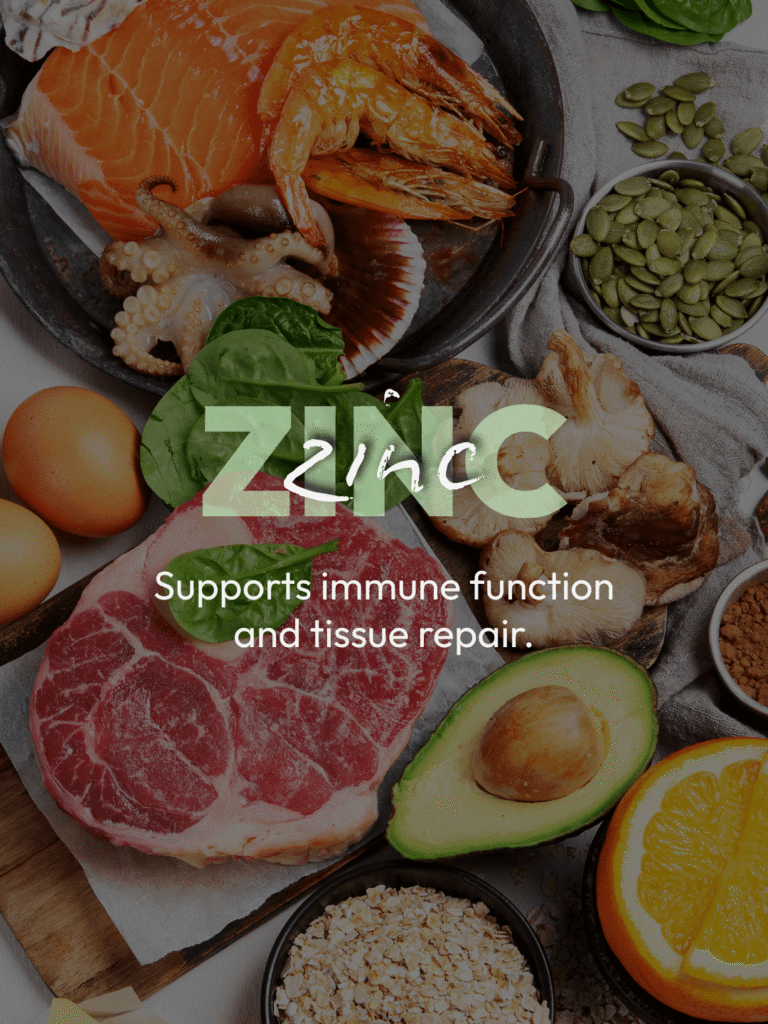
Zinc is involved in immune function, protein synthesis, tissue repair, and hormonal regulation, making it relevant for recovery and adaptation to training. Inadequate zinc intake can impair immune resilience and delay recovery from training stress.
Key sources include red meat, poultry, shellfish, pumpkin seeds, legumes, and whole grains. The recommended intake is 11 mg/day for men and 8 mg/day for women.
Deficiency management prioritizes food sources, with short-term supplementation used when clinically indicated or during periods of taper pre racing or competition. During this time, the immune system can get a little but suppressed due to the decreased training load!.
Chronic high-dose zinc supplementation is discouraged because it can interfere with copper absorption so we usually use low doses below 30 mg/day or higher doses for a max of 2 weeks!
B Vitamins (B12, Folate, B6)
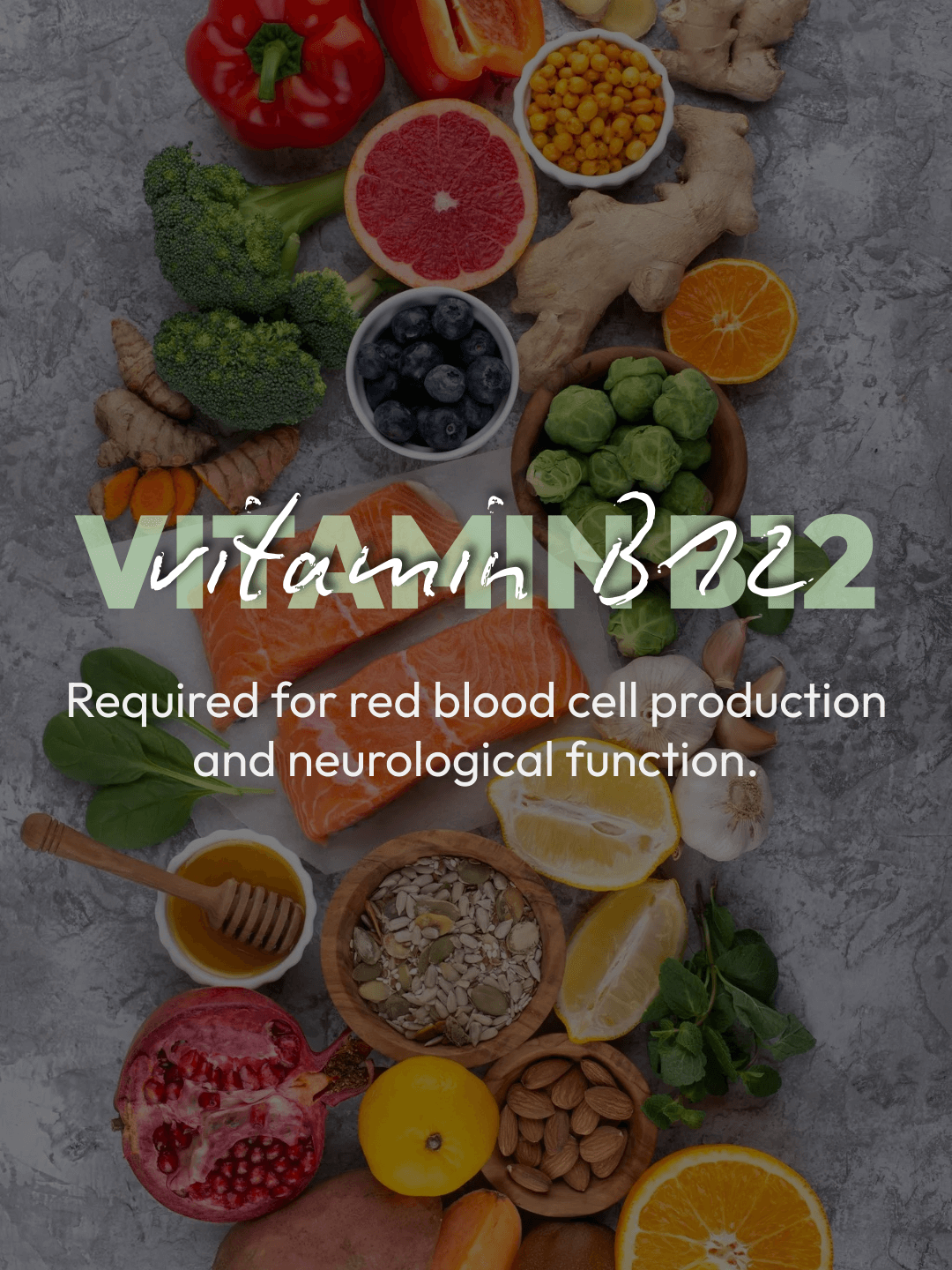
B vitamins play essential roles in energy metabolism, red blood cell production, and nervous system function, making them foundational for training capacity and recovery.
Athletes with high energy expenditure, restrictive eating patterns, or plant-based diets may be at higher risk for suboptimal intake, particularly for vitamin B12. Sources include animal foods for B12 (meat, fish, eggs, dairy), leafy greens and legumes for folate, and whole grains, poultry, and starchy vegetables for B6.
The goal is to meet RDAs consistently through diet, with supplementation reserved for confirmed deficiency or known risk (e.g., B12 in vegan athletes), guided by labs and clinical context. Remember B vitamins are water soluble, so excesses will only cause a very expensive urine!
Iodine
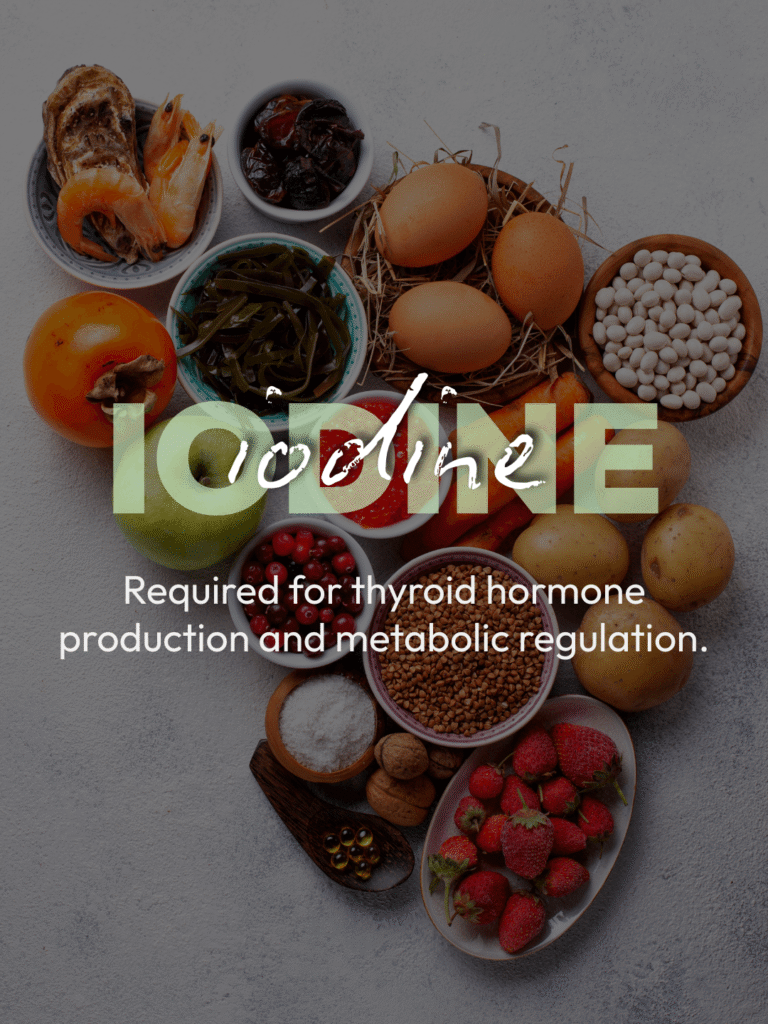
Iodine supports thyroid hormone production, which regulates metabolic rate and energy availability. Low iodine intake can impair thyroid hormone production and energy levels, indirectly affecting performance.
Main sources include iodized salt, seafood, dairy products, and seaweed (which can be excessive if overconsumed). The recommended intake for adults is 150 mcg/day. Deficiency management focuses on ensuring regular use of iodized salt and inclusion of iodine-containing foods, with supplementation used cautiously when dietary intake is inadequate.
Not a very common nutrient we look into, but when levels are deficient it can have a huge impact on metabolism!
So what can you do about this? How do you prevent deficiencies?
Micronutrient deficiencies often arise from low energy availability, limited food variety, restrictive eating patterns, high sweat losses, and high training loads that increase nutrient turnover.
The MVNUTRITION approach prioritizes adequate fueling and monitoring of biomarkers, optimizing food sources first, and supplementing when needed! Some quick tips below!
- Monitor biomarkers annually
- Learn what foods can be consumed to prevent and treat deficiencies
- Pay attention to potential red flags such as decreased performance and extreme fatigue despite eating enough to meet your energy demands
- Avoid severe dietary restrictions and caloric deficits!
- Work with a Registered Dietitian that can help you build a personalized nutrition program (come see us!)
Optimizing micronutrient status is not about taking more supplements — it’s about building a nutrition program that supports health, performance and recovery.